Rome Gelato Tours and Classes: How to Find the Real Thing
Most gelato served to tourists in central Rome is not the product Romans queue for. This guide covers the visual tests that separate the two, the gelaterias that tours genuinely stop at, and the class formats that teach you to make it.
Short answer
A Rome gelato tour usually means a guided neighborhood walk with stops at rated gelaterias. Group street food walks with a gelato stop start at $52.26 per person, food and wine walks run $75.95 to $123.04, and the pizza and gelato class costs $117.13 per group. The best quality signal is the display: flat metal tins, not mounded tubs.
How can you spot real artisanal gelato in Rome?
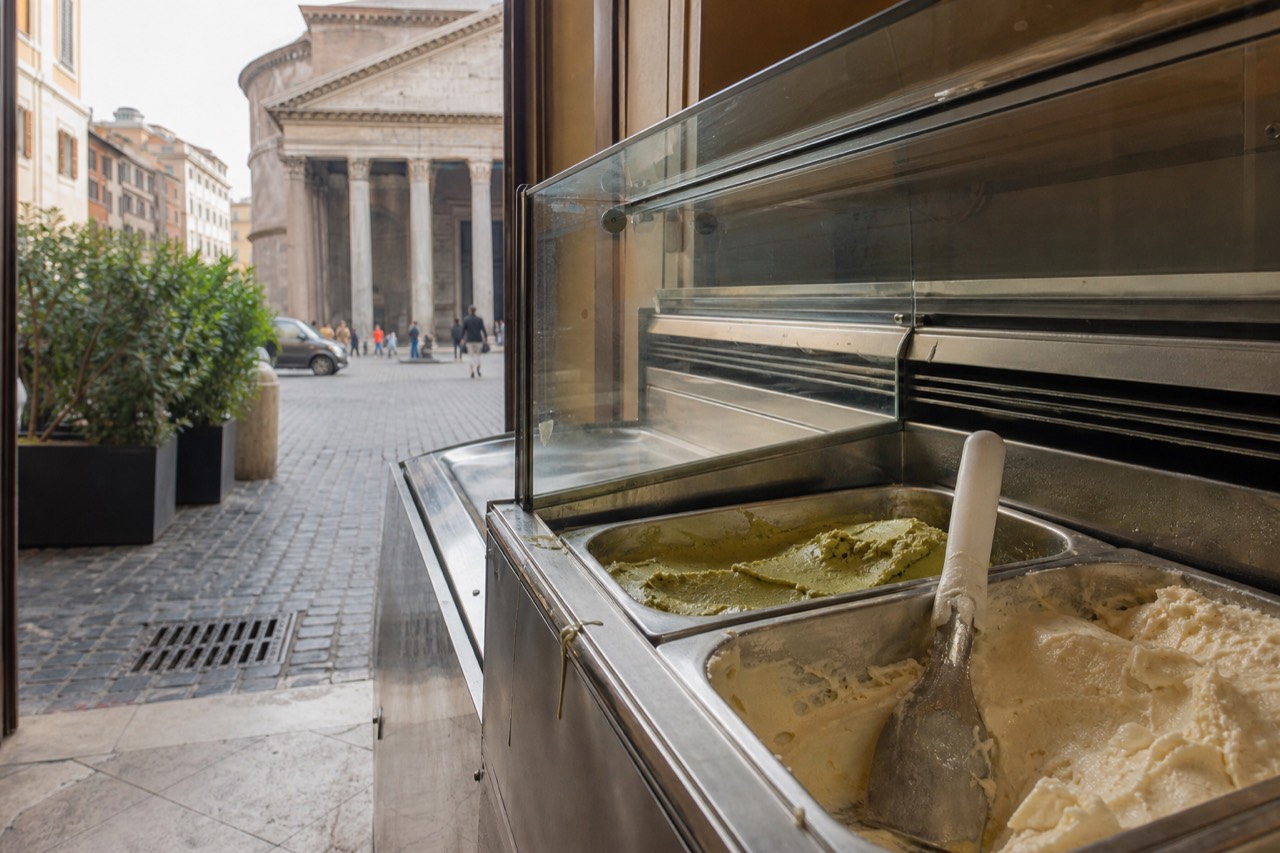
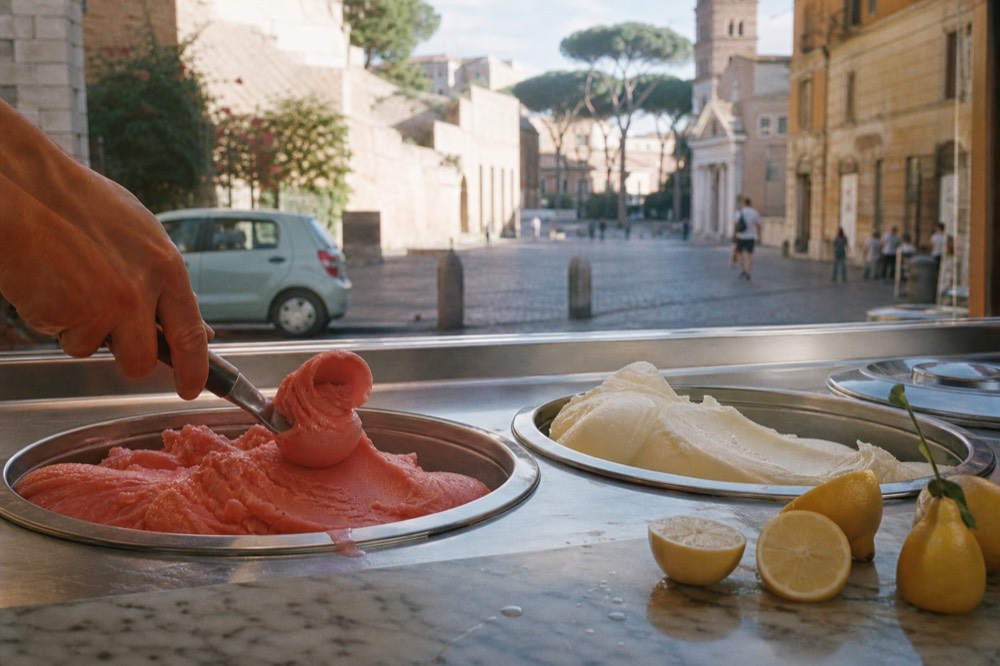
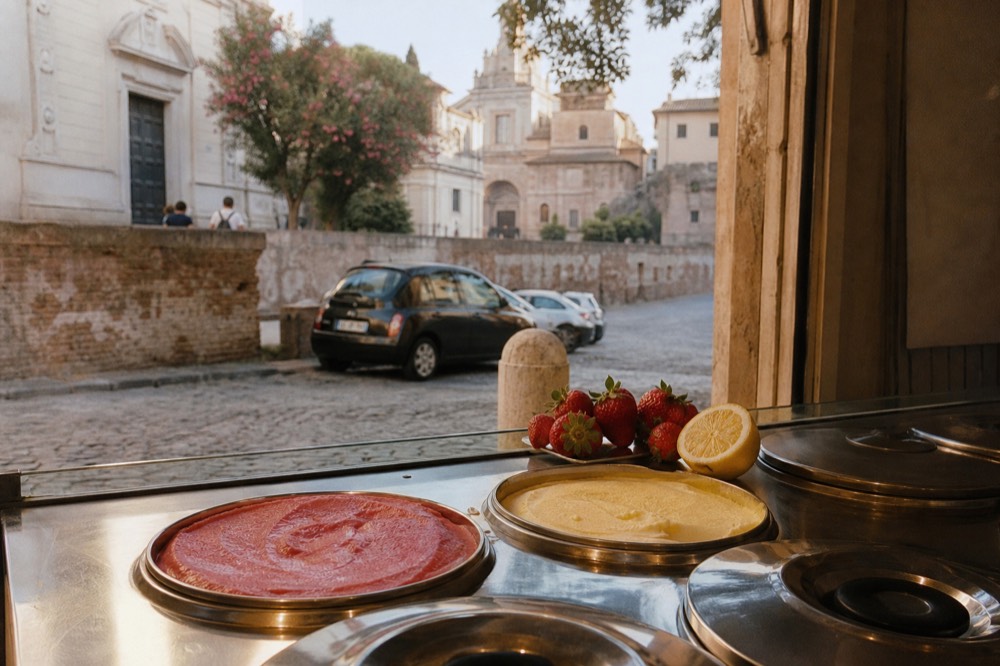
The reliable test is the display case: artisanal gelato sits flat in covered metal tins, while industrial product is piled into tall mounds with colors bright enough to see across the street. Real pistachio is a dull brownish green, not emerald. Price confirms it: a medium cone in central Rome ran up to 4 euros in mid-2025, so a very cheap triple scoop is not a bargain.
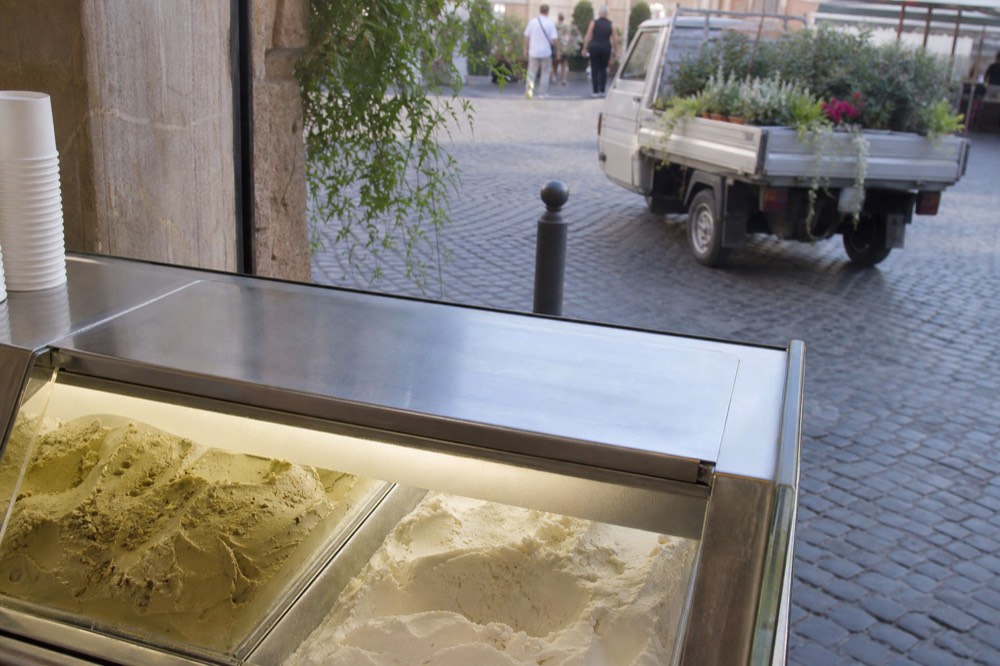
The mounds exist because they photograph well and suggest abundance. But gelato that holds a tall sculpted shape at room temperature usually contains vegetable fats and stabilizers doing the structural work that milk, cream and eggs should be doing. A shop that keeps its product in covered tins, or in machines with a visible churn, is showing you that temperature control matters more to it than display. Covered tins also protect the gelato from frost and from absorbing the smells of the case.
Color is the fastest check of all. Pistachio should look muted and a little dull. Banana should be grayish beige, not yellow. Strawberry should look like muddy milk with a pink cast, not bubblegum. Brightness costs nothing to add and everything to taste, and it is aimed squarely at passersby who will never come back. Romans, who do come back, choose with their feet, and the queue outside a neighborhood gelateria at 10pm tells you more than any sign.
A few more signals worth a glance before you order. Real fruit flavors change with the season, so a shop offering the same sixteen flavors in January and July is working from a base mix. Air content matters too: artisanal gelato is denser, so a scoop should feel heavier than it looks. And a covered tin or a "produzione propria" sign, meaning made on the premises, is a better indicator than a wall of certificates. None of these tests requires an expert palate, only a willingness to walk past the bright shop on the corner.
| Signal | Artisanal shop | Tourist-oriented shop |
|---|---|---|
| Display | Flat or below the rim, covered metal tins | Tall sculpted mounds, open tubs |
| Pistachio color | Dull brownish green | Vivid emerald |
| Flavor list | Short, changes with the season | Long, identical year-round |
| Texture | Dense, scoop feels heavier than it looks | Fluffy, holds shape at room temperature |
| Price cue | Around the local going rate | Suspiciously cheap or far above it |
Which Gelaterias Do These Guided Walks Stop At?
Rome food tours with a gelato component most often route through Trastevere, the historic center around Campo de' Fiori and the Pantheon, and Testaccio, because those are the neighborhoods where rated gelaterias sit within a walkable tasting circuit. The formats are consistent: street food walks that end on a cone, food and wine walks with a sweet course, and evening walks that close with gelato.
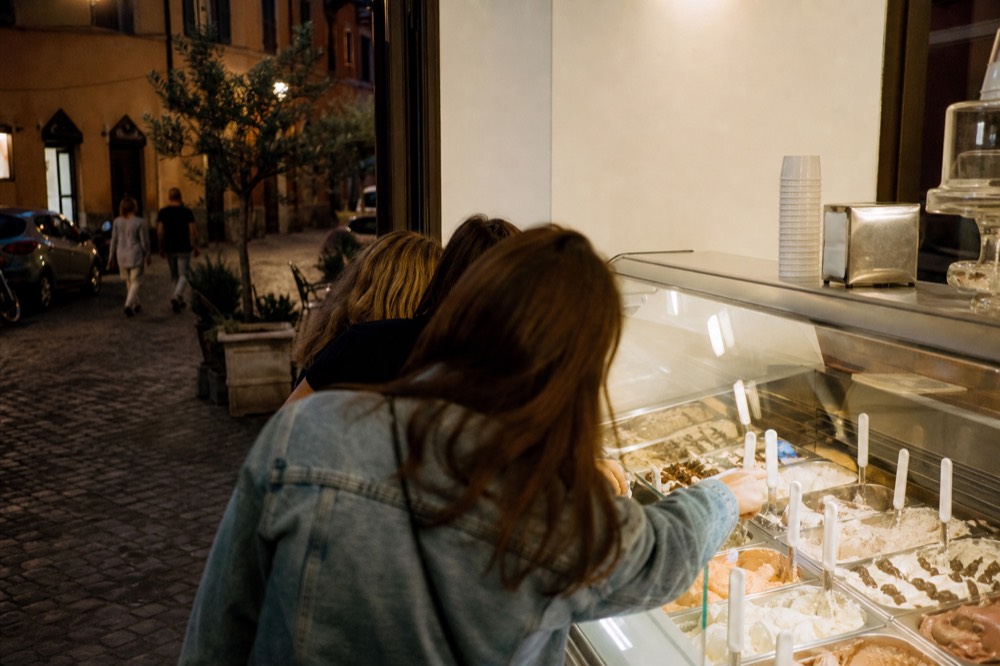
The reason guides can be picky is that Rome has a deep bench. Gambero Rosso's Gelaterie d'Italia guide awarded its top Tre Coni rating to six Lazio gelaterie in the current edition: Torcè, Otaleg!, Il Cannolo Siciliano, La Gourmandise, Stefano Ferrara Formaessenza and Gretel Factory, per the guide's published awards coverage. Otaleg! sits in Monteverde, a short tram ride from Trastevere, and its name is "gelato" spelled backward, which tells you how single-minded the operation is. New openings keep the scene moving: Eugenio Morrone opened Un Gelato a Roma on Via Benedetta in Trastevere in February 2026, a sustainability-focused shop that landed straight in one of the neighborhoods tours walk most.
A guided stop also buys you something a solo visit does not: the guide usually knows which flavor to order and why, and in shops that make everything on site, that is not a small thing. Roman classics worth asking for are crema, fiordilatte, pistacchio and seasonal fruit flavors, plus ricotta and sour cherry combinations that show up in the Jewish quarter. The walks covered across Rome Food Tours concentrate on these neighborhoods for exactly that reason, and if you want a broader sweet-and-savory circuit rather than a single cone, these are the formats on the roster that include gelato in a larger tasting walk:
The Campo de' Fiori walk covers 8 or more tastings with wine in a 3-hour circuit that starts at Piazza Navona, and its price is listed per group on the live listing. The Barolo dinner walk is the more sit-down option, a 3.5 to 4-hour evening with a full meal and a named wine, while the street food walk with a local guide is the fastest and cheapest way to sample the neighborhood staples, gelato included. Which one fits depends less on budget than on whether you want a walking snack circuit or a table at the end of it.
What does a Rome gelato tour cost?
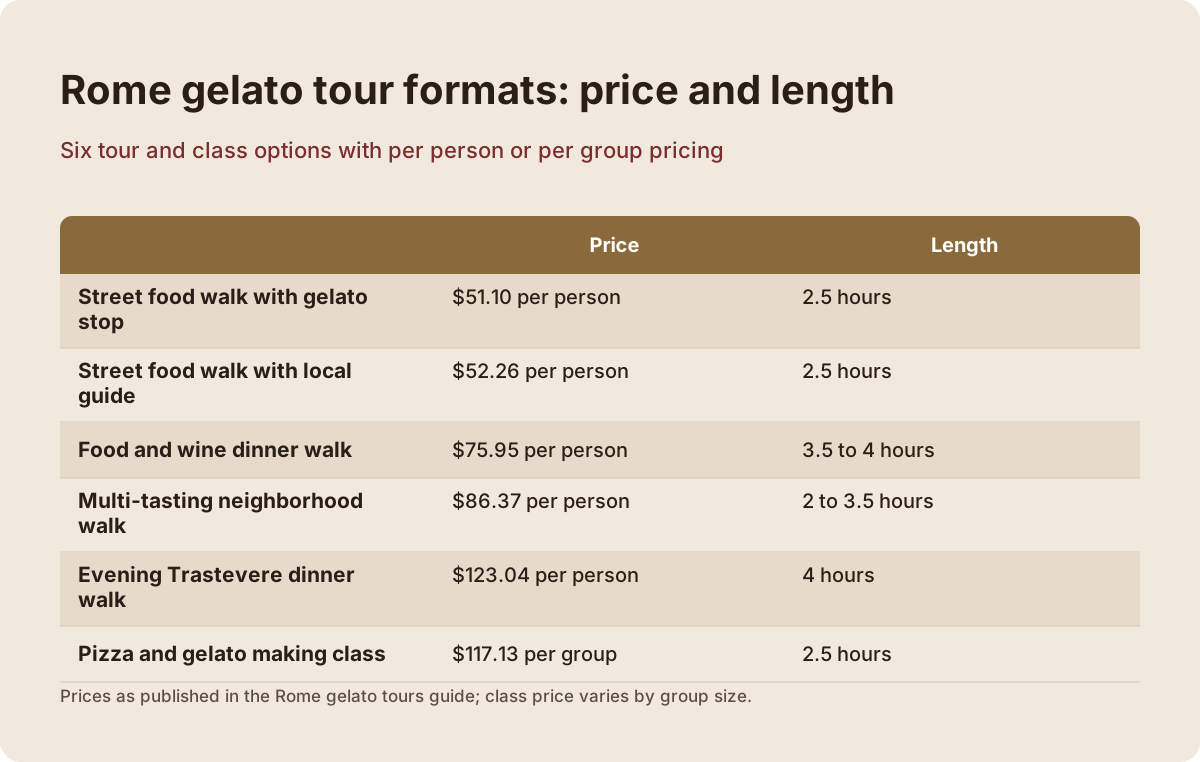
Expect to pay $51.10 to $52.26 per person for a street food walk with a gelato stop, $75.95 to $123.04 for a food and wine walk, or $117.13 per group for a pizza and gelato making class, with that price varying by group size. Standalone gelato tours are rare, so you will usually book a food tour or class, while a self-guided cone cost up to 4 euros in mid-2025.
| Format | Roster example | Price basis | Length |
|---|---|---|---|
| Street food walk with gelato stop | Eat Like a Local, Historic Center | $51.10 per person | 2.5 hours |
| Street food walk with local guide | Campo dei Fiori meeting point | $52.26 per person | 2.5 hours |
| Food and wine dinner walk | Gourmet tour with Barolo wine | $75.95 per person | 3.5 to 4 hours |
| Multi-tasting neighborhood walk | 15 tastings, two neighborhoods | $86.37 per person | 2 to 3.5 hours |
| Evening Trastevere dinner walk | Twilight Trastevere Tour | $123.04 per person | 4 hours |
| Pizza and gelato making class | Small group, central Rome | $117.13 per group | 2.5 hours |
What changes the price is not the gelato, it is everything around it. A $52 street food walk gives you a guide, several standing tastings and a neighborhood's worth of context in 2.5 hours. A $123.04 four-hour Trastevere dinner walk includes a full seated meal with wine, and the gelato is one course among many. The class format is priced differently again, per group rather than per person, so a family of four splits the $117.13 four ways and it becomes competitive with the cheapest walk. Check the live listing for the current group-size pricing, since per-group prices move with headcount.
Value also depends on when you would otherwise be eating. If an evening food tour replaces dinner, a $75.95 to $123.04 price is closer to the cost of a restaurant meal plus a guided walk than to a splurge. If you only want the gelato, spend the 4 euros and put the tour budget toward a class or a market walk instead. For readers planning a wider eating itinerary, the free and cheap eating guide covers the low-cost end of the city, including where a cone fits into a day of inexpensive grazing.
Is the pizza and gelato making class worth booking?
Yes, for families and for travelers who want a skill to take home: the 2.5-hour Pizza and Gelato Making Class in central Rome teaches two products in one session for $117.13 per group, price varying by group size, and it holds a 4.9 rating from 339 reviews. It beats a walking tour if your group prefers making food to walking between stops, but not if your goal is tasting the city's best existing gelaterias.
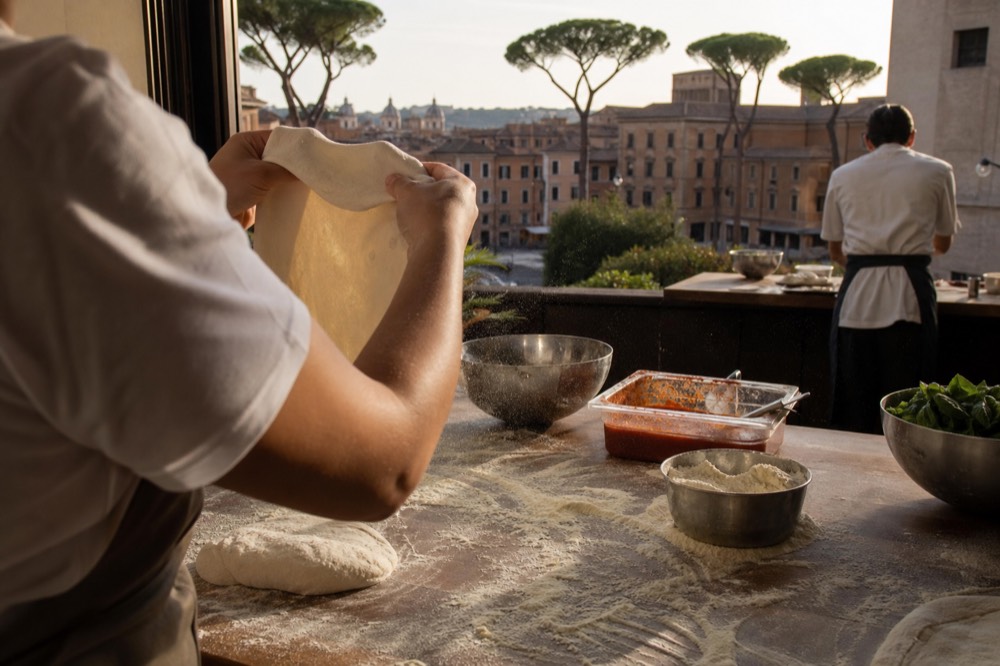
The class meets at Corso del Rinascimento 65, ring the Inrome Cooking doorbell, which puts it a short walk from Piazza Navona and the Campo de' Fiori market, so it slots neatly into a historic-center day. The format is hands-on: you build and top a pizza, then churn a gelato base, and you eat what you make. That practical payoff is what makes classes stick, and it is the same logic behind the site's broader cooking classes in Rome coverage, where group classes in the center run considerably cheaper per person than the citywide average advertised price of $172 across 198 classes.
The crossover appeal is real. Pizza dough teaches yeast and patience, gelato teaches temperature and fat balance, and the two together cover more technique than a single-dish class. If your trip already includes a pasta class, this one fills the sweet side without repeating material. If you are choosing between Rome and Florence for a cooking class, the comparison guide on Rome versus Florence cooking classes breaks down the price and atmosphere differences.
What does the awards list say about Lazio gelaterie?
Gambero Rosso's Gelaterie d'Italia guide gave its top Tre Coni rating to six Lazio gelaterie in the current edition: Torcè, Otaleg!, Il Cannolo Siciliano, La Gourmandise, Stefano Ferrara Formaessenza and Gretel Factory. That list is a workable shortlist for a self-guided crawl, and several of the shops sit within reach of central Rome. The sector behind it turned over 3.1 billion euros in Italy in 2025, up 3.5 percent.
The reason the awards list matters for a tour buyer is simple: it converts a vague search into a named shortlist. Torcè and Otaleg! are both reachable from central Rome with a short tram or bus ride, and Otaleg! in particular has built its reputation on ingredient transparency, publishing its base recipes. A self-guided crawl of two or three rated shops costs a few euros in cones and a transit ticket, and it is a legitimate alternative to a guided walk if your interest is specifically gelato rather than the full Roman food picture. The global context is worth knowing too: worldwide artisanal gelato sales reached 16.5 billion euros in 2025, up 8.5 percent, according to SIGEP World's press release, so the craft segment you are tasting in Rome is the growing end of a much larger frozen-dessert market.
| Gelateria | Area | Why it stands out |
|---|---|---|
| Otaleg! | Monteverde | "Gelato" spelled backward; publishes its base recipes |
| Torcè | Rome | Tre Coni award in the current guide |
| Il Cannolo Siciliano | Lazio | Sicilian pastry tradition carried into gelato |
| La Gourmandise | Lazio | Tre Coni award in the current guide |
| Stefano Ferrara Formaessenza | Lazio | Tre Coni award in the current guide |
| Gretel Factory | Lazio | Tre Coni award in the current guide |
Which neighborhoods work best for a gelato walk?
Trastevere, the historic center and Testaccio are the three neighborhoods where a gelato-focused walk pays off, because each combines rated gelaterias with a food culture worth walking through. Trastevere has the densest evening scene, the historic center chains rated shops to landmarks like the Pantheon and Campo de' Fiori, and Testaccio pairs its market with a working-class food tradition. For a first visit, the historic center is the most efficient choice.
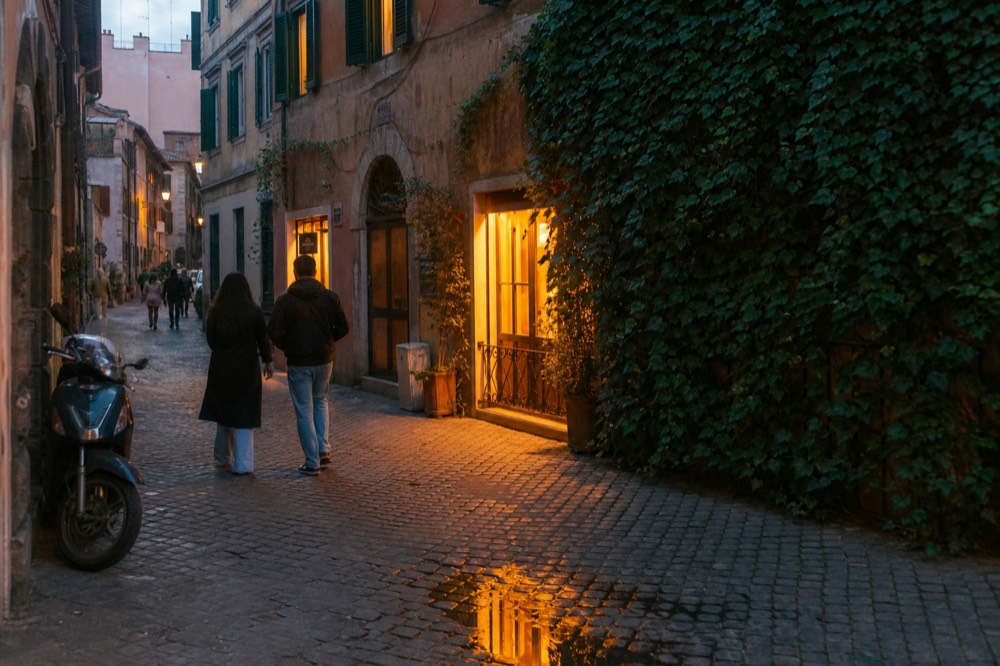
Trastevere rewards an evening visit, and not only for gelato. The rione is the largest in Rome, its name comes from the Latin trans Tiberim, beyond the Tiber, and its food scene runs from the Piazza San Cosimato market in the morning to a dense strip of trattorias and gelaterias at night. The neighborhood's evening popularity has a civic edge worth knowing about: the city renewed its night-time alcohol restrictions in Trastevere through October 2026, which affects takeaway drinks after 22:00 but not table service, so a seated dinner and a cone are unaffected. The site's Trastevere food tours guide covers the neighborhood in depth.
| Neighborhood | Best time | What the walk adds beyond gelato |
|---|---|---|
| Trastevere | Evening | Night-time food scene, market square, riverside lanes |
| Historic center | Afternoon or evening | Pantheon, Piazza Navona, Campo de' Fiori market |
| Testaccio | Morning or lunch | Market stalls, slaughterhouse history, offal tradition |
| Monteverde | Evening | Residential queue culture, Otaleg! and other rated shops |
The historic center is where guided formats concentrate, and the Campo de' Fiori walk is the roster's most gelato-adjacent option there. It runs 3 hours from Piazza Navona, covers 8 or more tastings with wine, and is priced per group on the live listing.
Testaccio is the connoisseur's choice. The neighborhood's market, its slaughterhouse history and its offal tradition make it the most food-historied square kilometer in the city, and a market walk there pairs naturally with a gelato stop on the way back toward the center. If a full Testaccio circuit interests you more than the sweet course alone, the Testaccio food tours guide lays out the formats.
What mistakes should you avoid when ordering gelato in Rome?
The costly mistakes are ordering from mounded, brightly colored displays, assuming a long flavor list means quality, skipping the seasonal flavors, eating gelato only in the afternoon, and paying attraction-street prices without checking first. A medium cone in central Rome ran up to 4 euros in mid-2025, per local price reporting, so a far cheaper scoop near a monument usually signals an industrial base mix. Order where Romans are queuing.
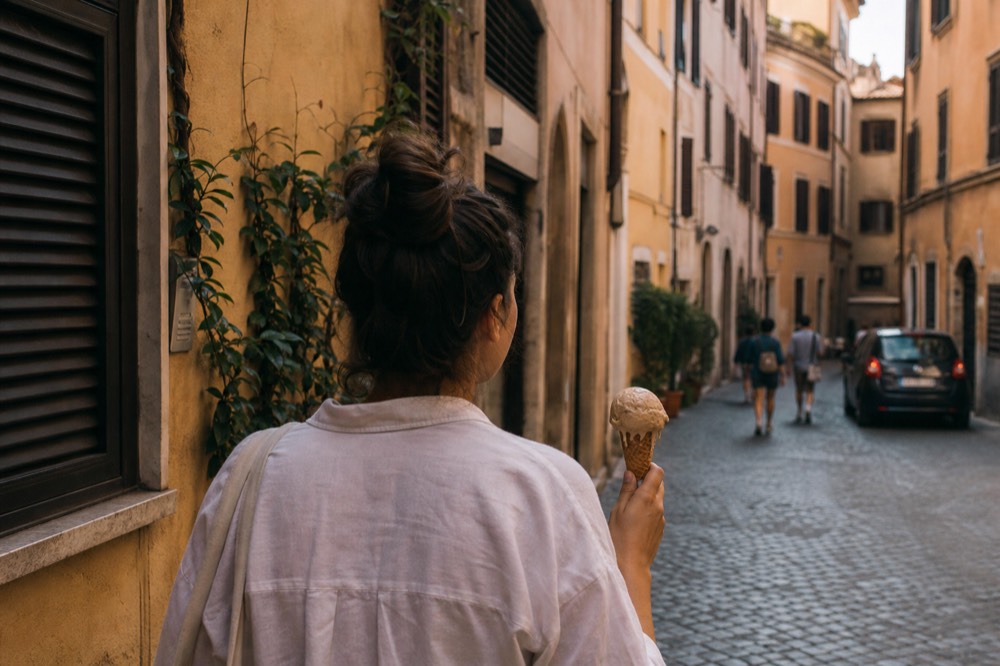
Flavor count is the most counterintuitive trap. A shop offering forty flavors is almost certainly buying in a base and adding pastes, because making that many flavors fresh daily is not economically possible at artisanal scale. The best shops tend to offer a tight list that changes with the market. Seasonality is the same story in reverse: if you visit in autumn and the shop still has a front-and-center melon flavor, the melon arrived as a paste, not as a melon.
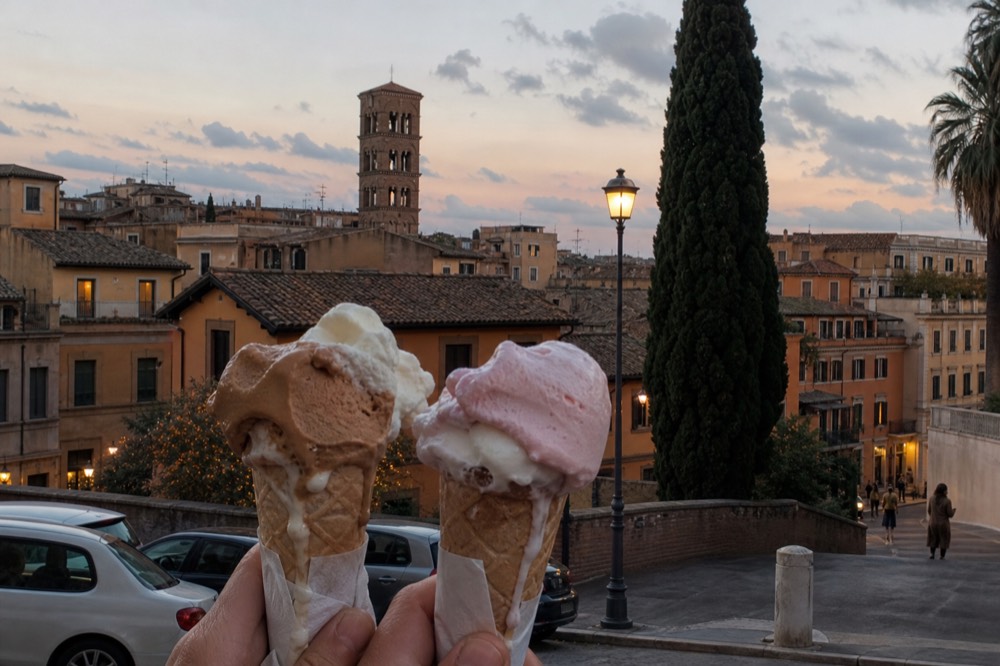
Timing matters more than visitors expect. Romans eat gelato as an evening social ritual, often after dinner, and shops in residential neighborhoods stay open late for exactly that reason. A mid-afternoon visit near the Pantheon puts you in a tourist-only queue; the same shop's product is identical, but the neighborhood gelateria two streets away is where the evening scene lives. And if you are walking a full food circuit rather than a single stop, a guided street food walk handles the timing and the routing for you:
That walk runs 2.5 hours through the historic center at $51.10 per person, holds a 4.9 rating from 1,331 reviews, and includes the sweet stop among its tastings. It is the cheapest guided format on the roster that reliably ends on gelato.
Can vegans and gluten-free travelers get the full gelato experience?
Yes, and in Rome it is easier than in most cities, because fruit sorbets are naturally vegan and many artisanal shops make plant-based milk flavors on site, while gelato's base is naturally gluten free unless the flavor itself adds cake, cookie or wafer elements. The dedicated Vegan Street Food Tour runs 2.5 hours at $91.75 per person and holds a perfect 5 rating from 79 reviews. Italy's accredited gluten-free venue network exceeds 4,200 establishments.
The vegan numbers behind the demand are real: Eurispes's latest Italy report found 8.5 percent of Italians do not eat meat, split between 5.3 percent vegetarians and 3.2 percent vegans. Rome's food scene has followed, and a dedicated vegan walk is no longer a token offering. The vegan tour meets by the stairs of Sant'Andrea della Valle and covers the city's plant-based street food, gelato included, in a small-group format. For gluten-free travelers, the practical rule at the counter is to ask about the specific flavor: fior di latte, fruit sorbets and plain pistachio are typically safe, while flavors named after cakes or biscuits are not. Nationally, 279,512 diagnosed coeliacs were recorded in Italy at the end of 2024, which is why gluten-free capability is mainstream here rather than a specialty. The site's gluten-free food tours guide covers the broader question, and the vegan and vegetarian tours guide does the same for plant-based eating.
One caution applies to both groups: cross-contact at the scoop level is a shop-by-shop question, not a label question, so a vegan or coeliac traveler should ask whether the shop uses separate scoops and separate tins. Artisanal shops that make small batches are usually the best equipped to answer honestly, which is one more reason the flat-tin test from the top of this guide doubles as a dietary-safety signal. A guided tour with dietary needs flagged at booking removes the need to interrogate every counter yourself.
Whether you end up on a guided walk, a class, or a self-guided crawl of the Tre Coni shops, the choice on this site's roster spans every format and budget:
These are the questions buyers ask most before booking: what real gelato looks like, what a tour or class costs, which shops the guides use, and how dietary needs fit into a walk. The answers below pull the verified figures from this guide into one place, with prices exactly as listed on the operators' live listings.
Common questions about Rome gelato tours
How can you spot real artisanal gelato in Rome?
Look for flat or covered metal tins rather than tall mounded tubs, muted natural colors rather than bright ones, a short seasonal flavor list, and a queue of locals in the evening. Real pistachio gelato is dull brownish green, and a medium cone in central Rome cost up to 4 euros in mid-2025, so a suspiciously cheap triple scoop near a monument is usually an industrial base mix.
What does a Rome gelato tour cost?
Standalone gelato tours are rare, so in practice you buy a food tour with a gelato stop or a class. Street food walks with a sweet stop run $51.10 to $52.26 per person, food and wine walks run $75.95 to $123.04 per person, and the pizza and gelato making class runs $117.13 per group with the price varying by group size.
Is the pizza and gelato making class worth booking?
For families and travelers who want to learn the technique, yes. The 2.5-hour class in central Rome covers both products for $117.13 per group, holds a 4.9 rating from 339 reviews, and meets at Corso del Rinascimento 65. If your goal is tasting the city's best existing gelaterias, a walking tour is the better fit.
Which gelaterias do Rome food tours actually stop at?
Tours concentrate on Trastevere, the historic center and Testaccio. Gambero Rosso's current Gelaterie d'Italia guide awarded its top Tre Coni rating to six Lazio gelaterie, including Torcè, Otaleg! and Il Cannolo Siciliano, and Un Gelato a Roma opened on Via Benedetta in Trastevere in February 2026.
Can vegans and gluten-free travelers enjoy Rome's gelato scene?
Yes. Fruit sorbets are naturally vegan, many artisanal shops make plant-based milk flavors, and plain gelato bases are gluten free unless the flavor adds cake or cookie elements. A dedicated Vegan Street Food Tour runs 2.5 hours at $91.75 per person with a 5 rating from 79 reviews, and Italy's accredited gluten-free venue network exceeds 4,200 establishments.
When do Romans actually eat gelato?
Mostly in the evening, often after dinner, as a social ritual rather than an afternoon snack. Neighborhood gelaterias stay open late for this reason, so an evening walk through Trastevere or Monteverde puts you in the authentic queue rather than the tourist one.