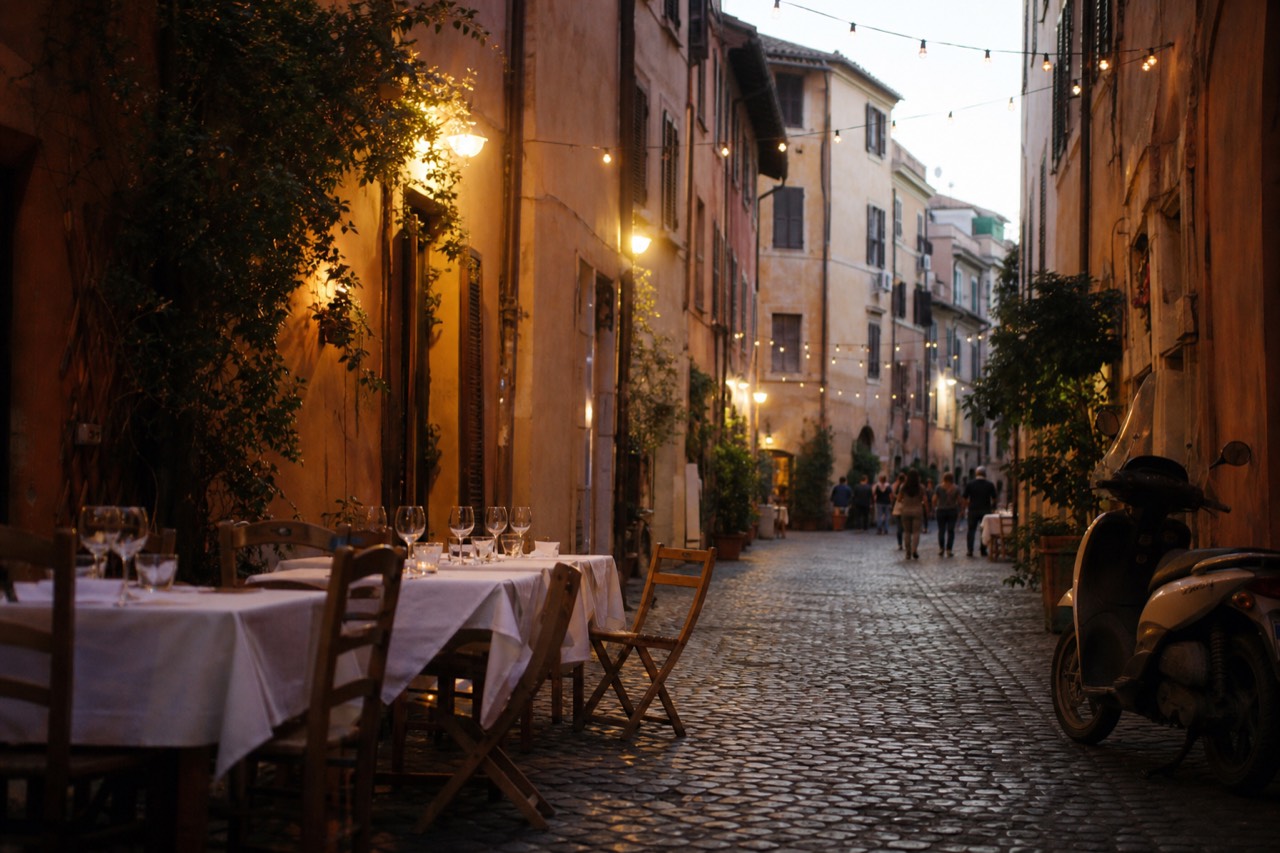
Can I wear jeans to dinner in Italy?
A plain answer on jeans at Italian dinner tables, what Romans actually wear, and what to pack for restaurants and cooking classes in Rome.
Short, direct answers to the questions visitors ask before booking: which neighborhood suits an evening walk, what a Testaccio market morning actually covers, how cooking classes near the Pantheon are structured, and where the wine-focused options will take you. Every answer draws on the tours listed on this site, so you can move from a question straight to a bookable day.
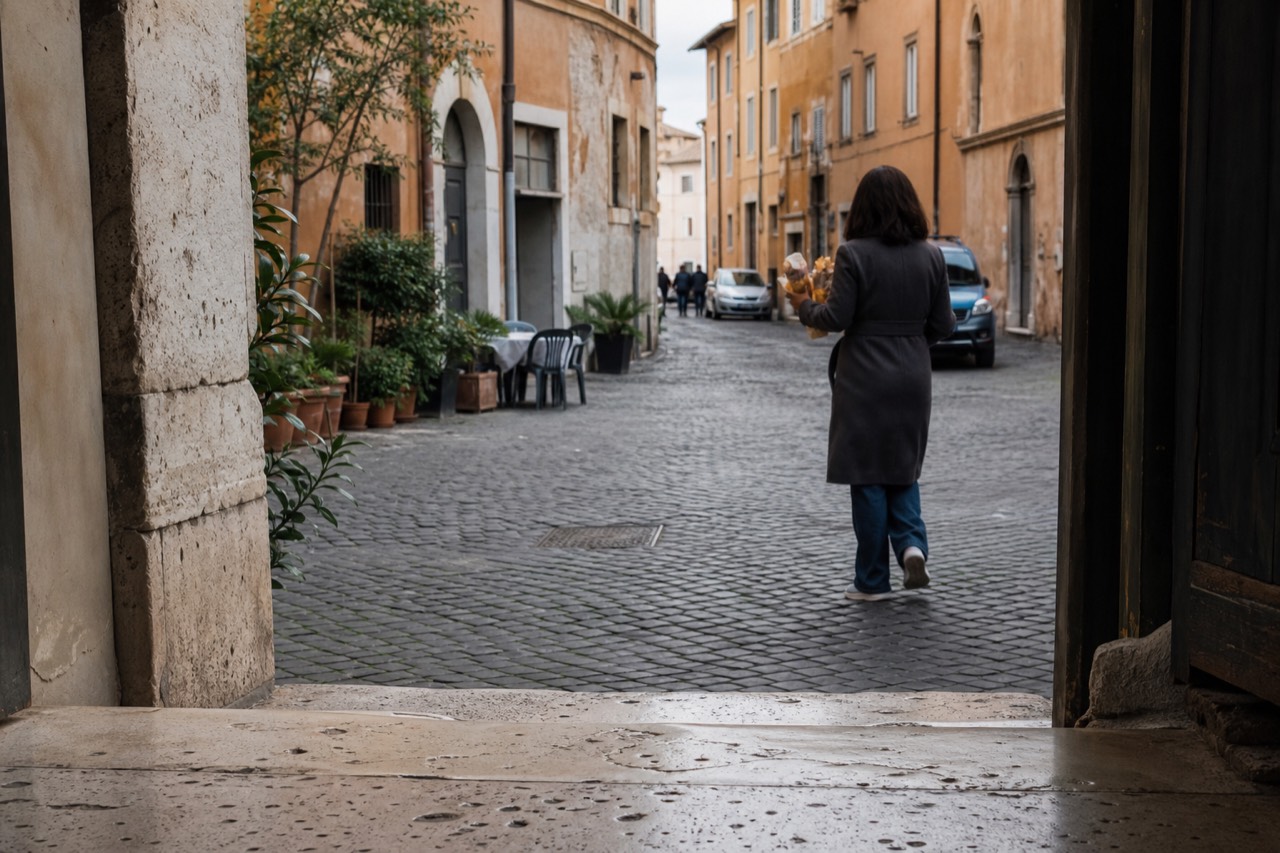
A plain answer on jeans at Italian dinner tables, what Romans actually wear, and what to pack for restaurants and cooking classes in Rome.
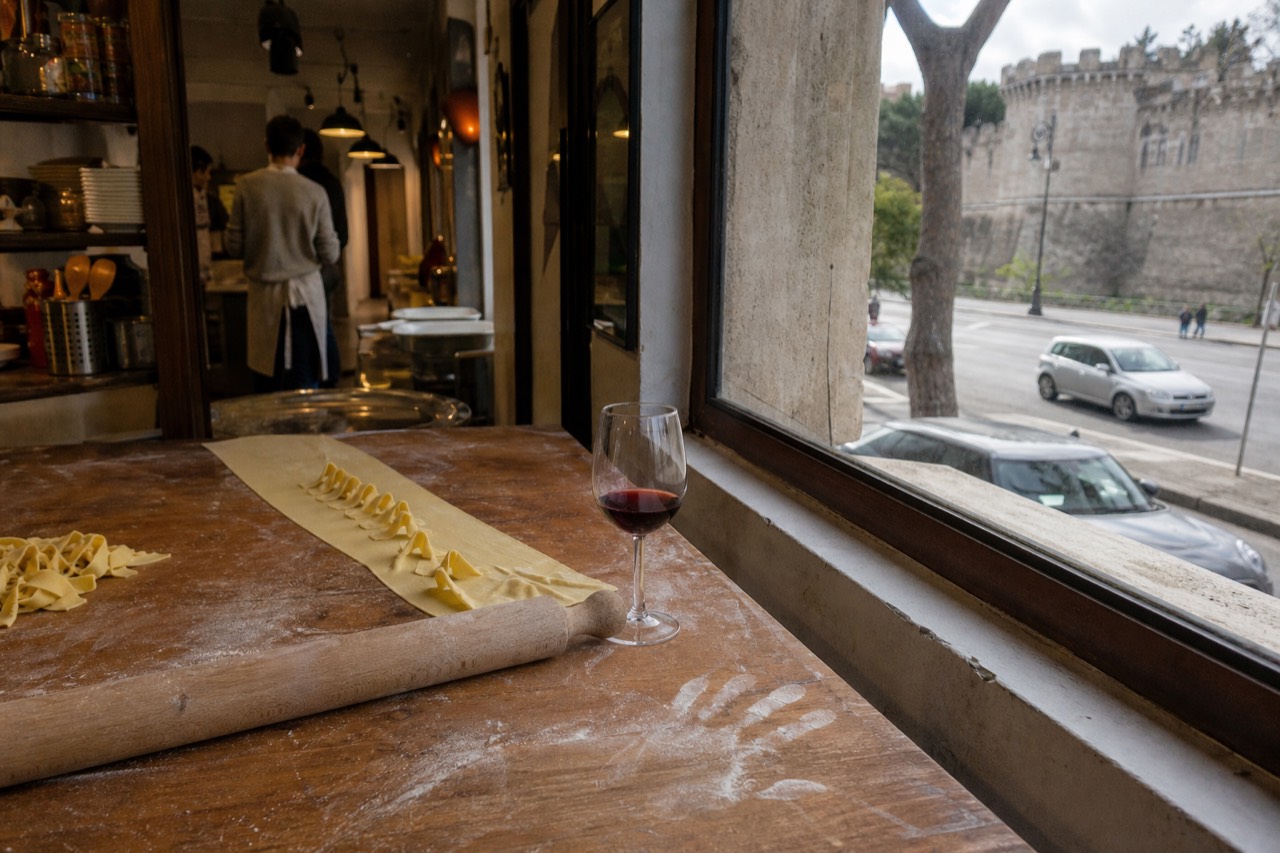
Tipping at a Rome cooking class is optional, modest and genuinely different from US habits. Here is what Italians actually do, what the law says, and how much is generous without being odd.
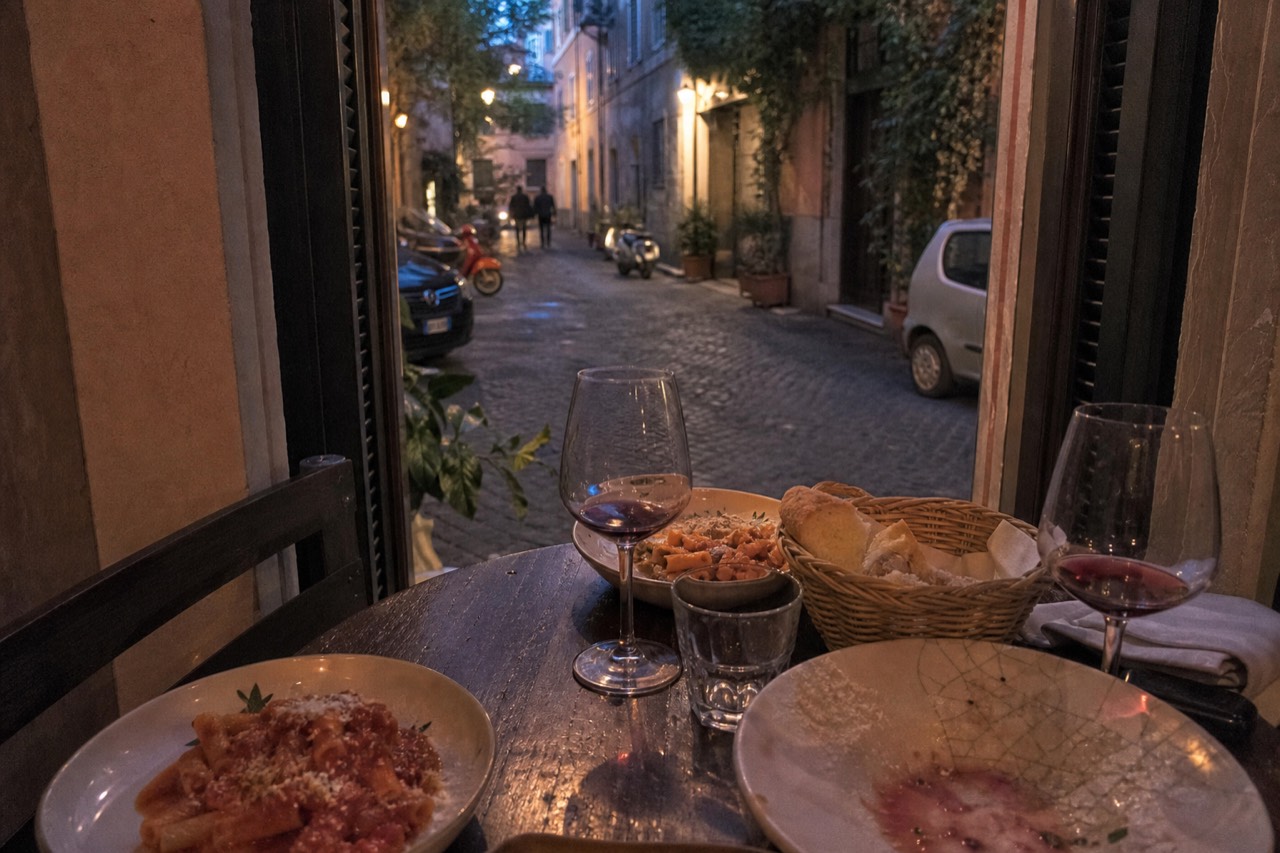
An honest cost breakdown of Rome food tours: what the tastings would cost bought separately, what a guide actually adds, and who should save the money instead.
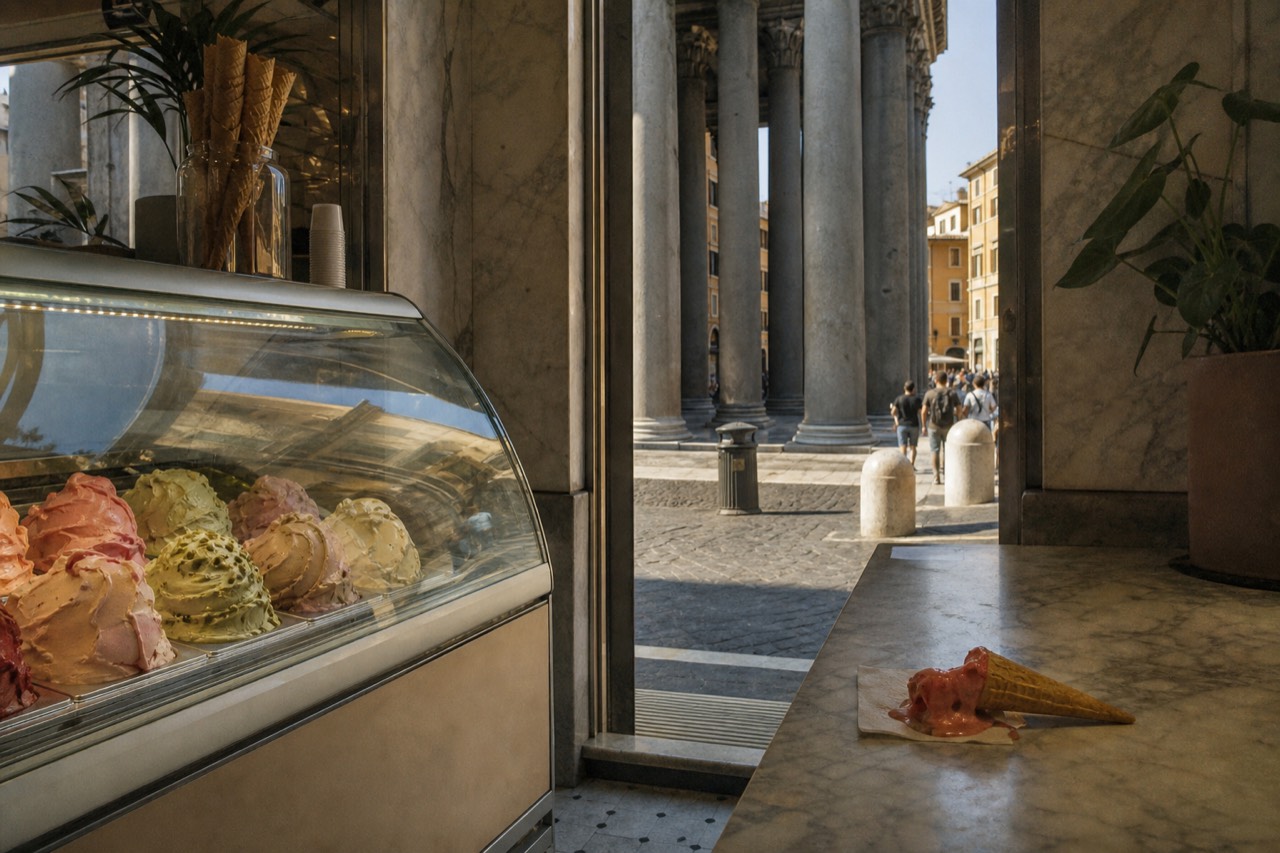
Gelato is not automatically healthier than ice cream: less butterfat and more density are real craft differences, but calories depend on portion, sugar and toppings, not the name on the sign.
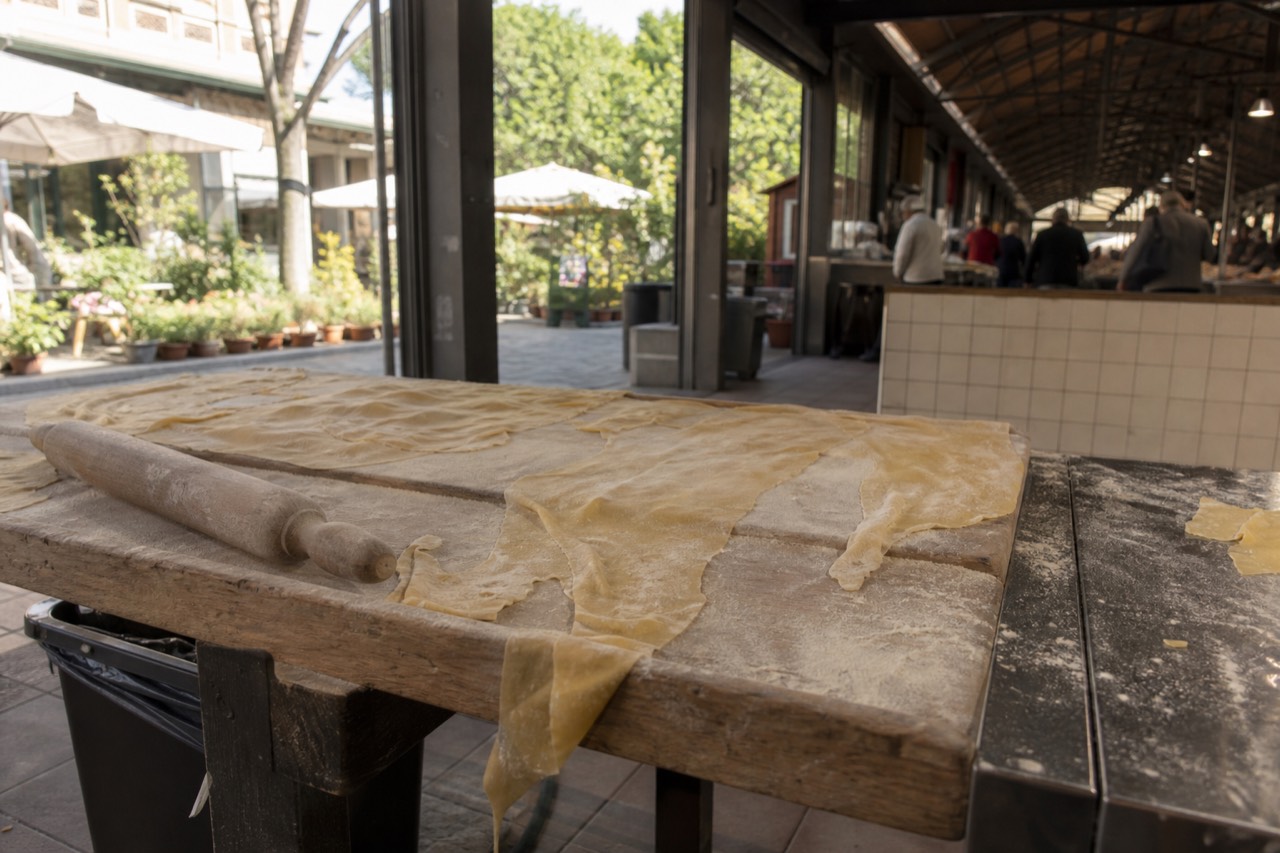
An honest comparison of cooking classes in Rome and Florence: what each city teaches, what classes cost, and how to pick based on cuisine rather than hype.
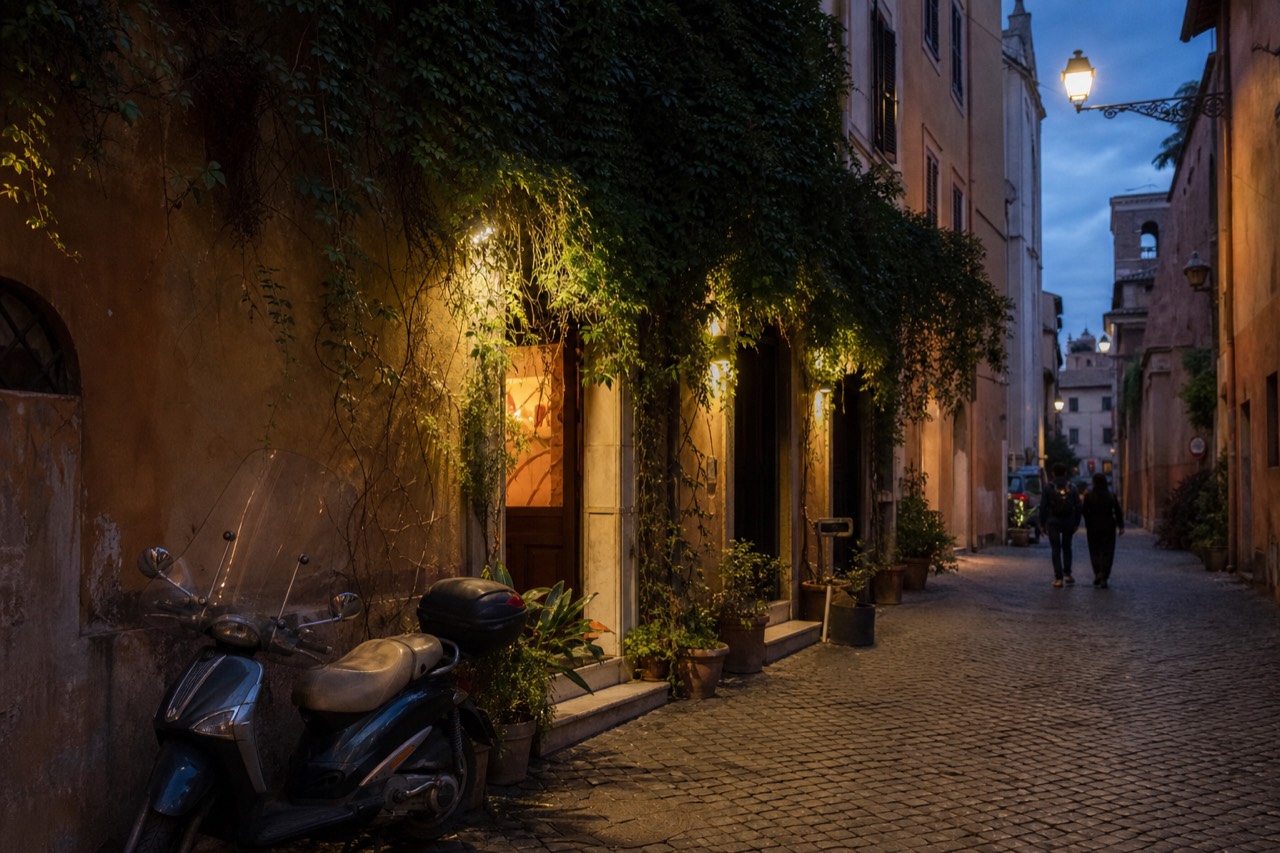
A practical, fact-checked answer to whether Trastevere is safe to walk at night, covering pickpockets, the alcohol rules in movida zones, night ZTLs, and how a guided evening food tour changes the picture.
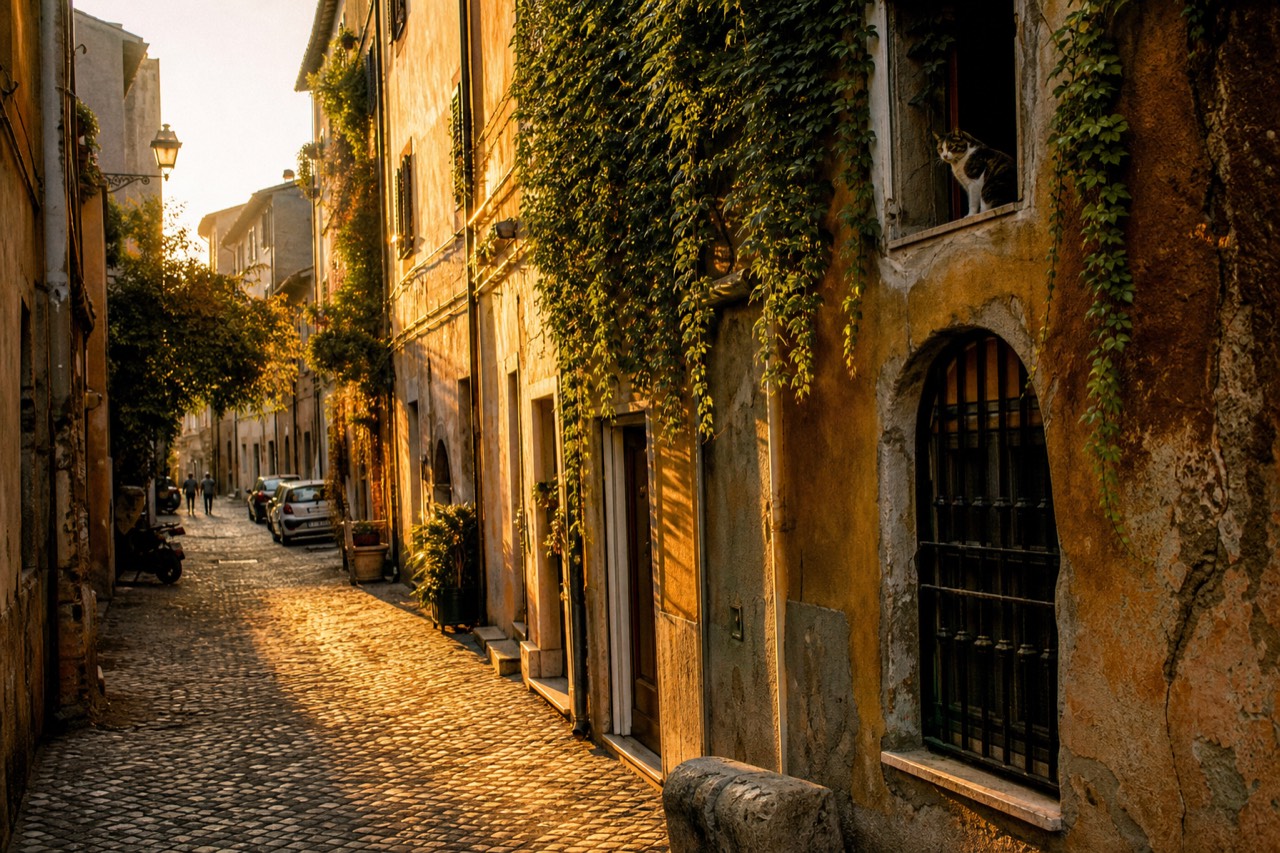
An honest answer to whether Trastevere deserves your time, which streets are still worth it, which to skip, and how to eat well there without falling into a tourist trap.
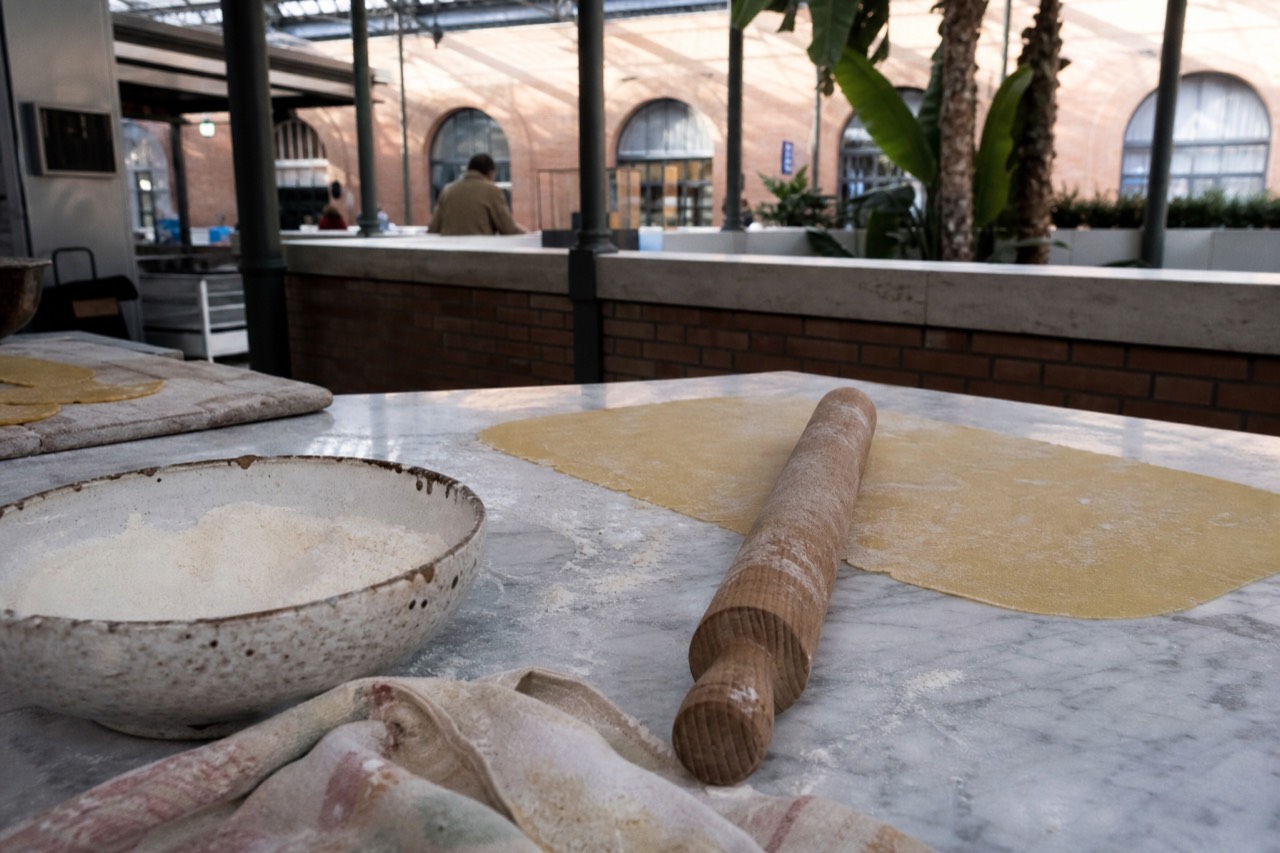
A practical guide to deciding between a hands-on cooking class and a food tour in Rome, with cost comparisons, what you'll learn, and who each option suits best.
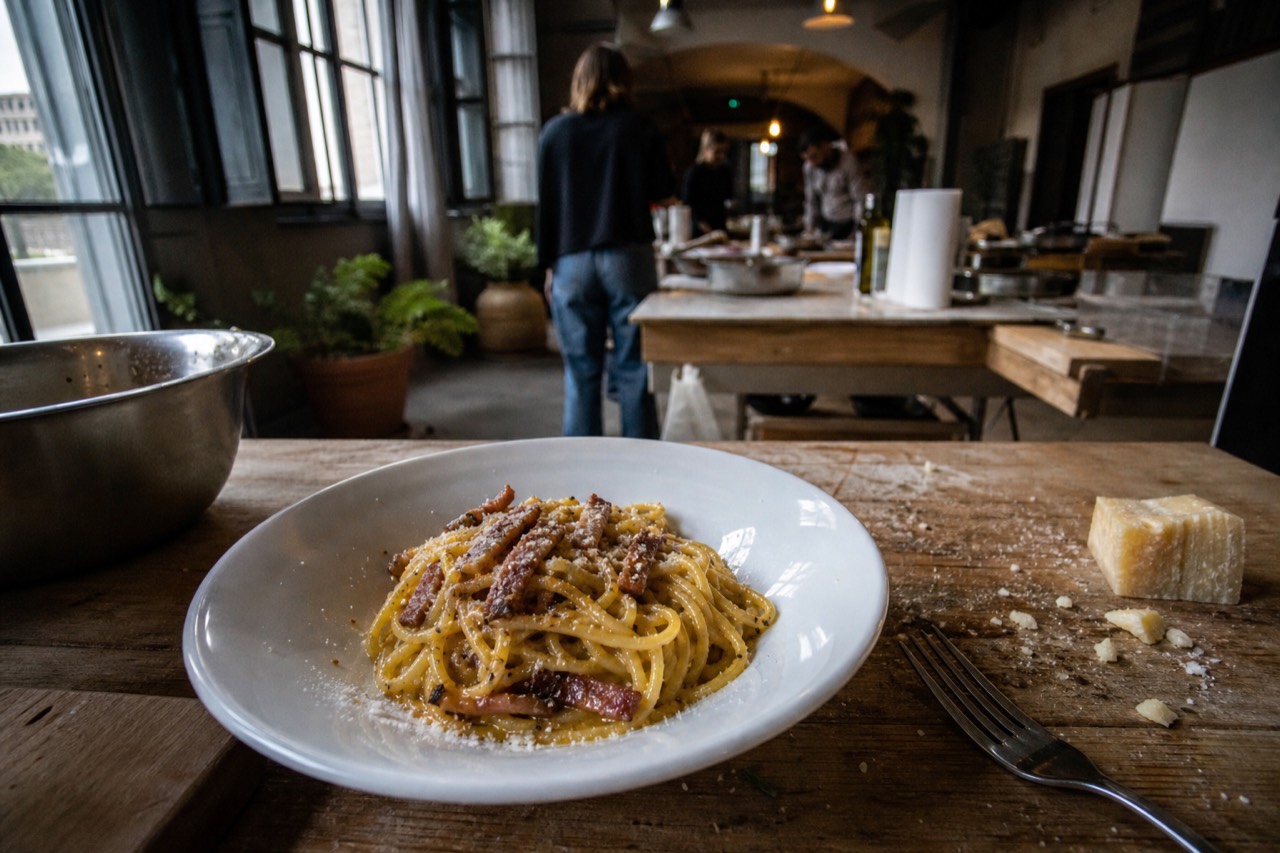
The four carbonara mistakes Roman cooking-class chefs correct most often, cream, bacon, scrambled egg and pan heat, and how to fix each one.
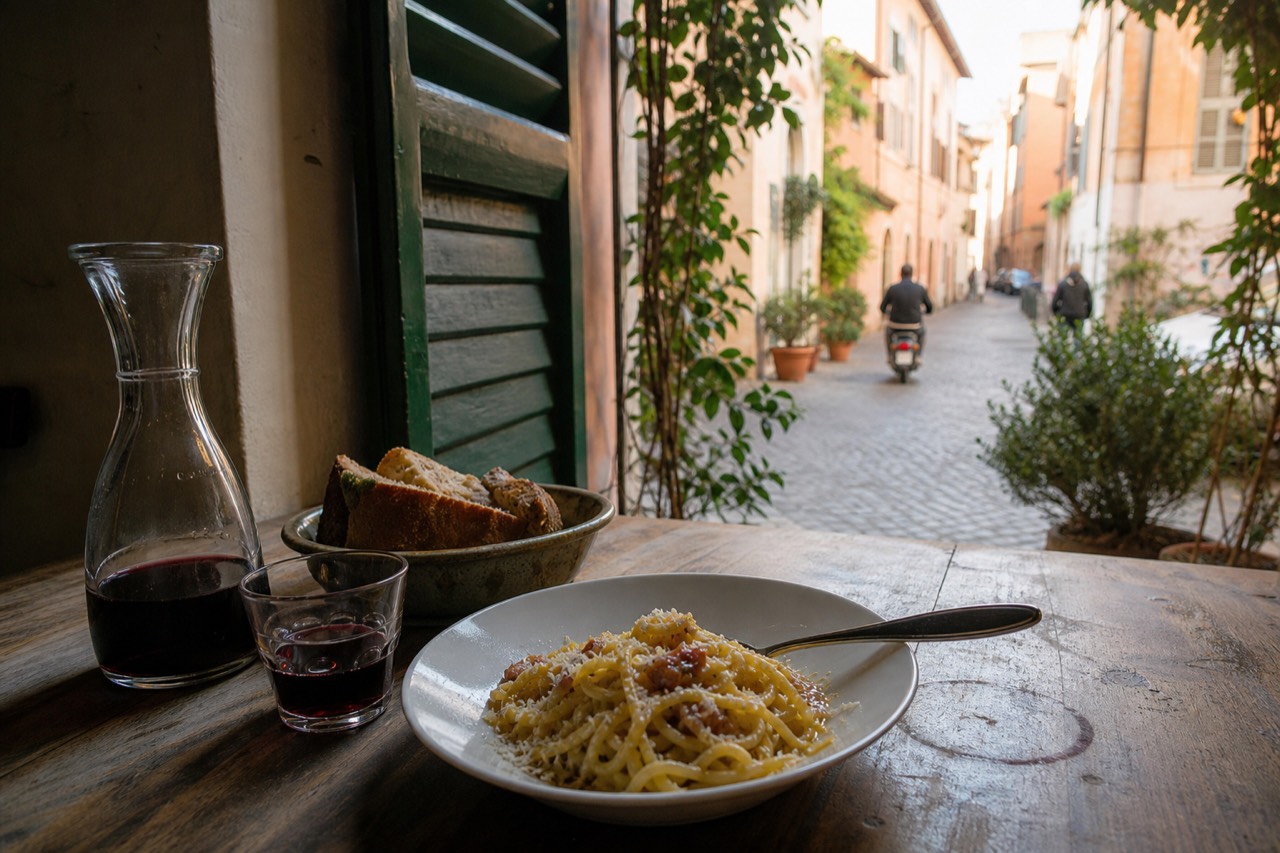
A plain-English guide to what actually appears on a Roman osteria menu, from the four classic pastas to quinto quarto offal dishes, wine by the carafe, and what the law says about the coperto.
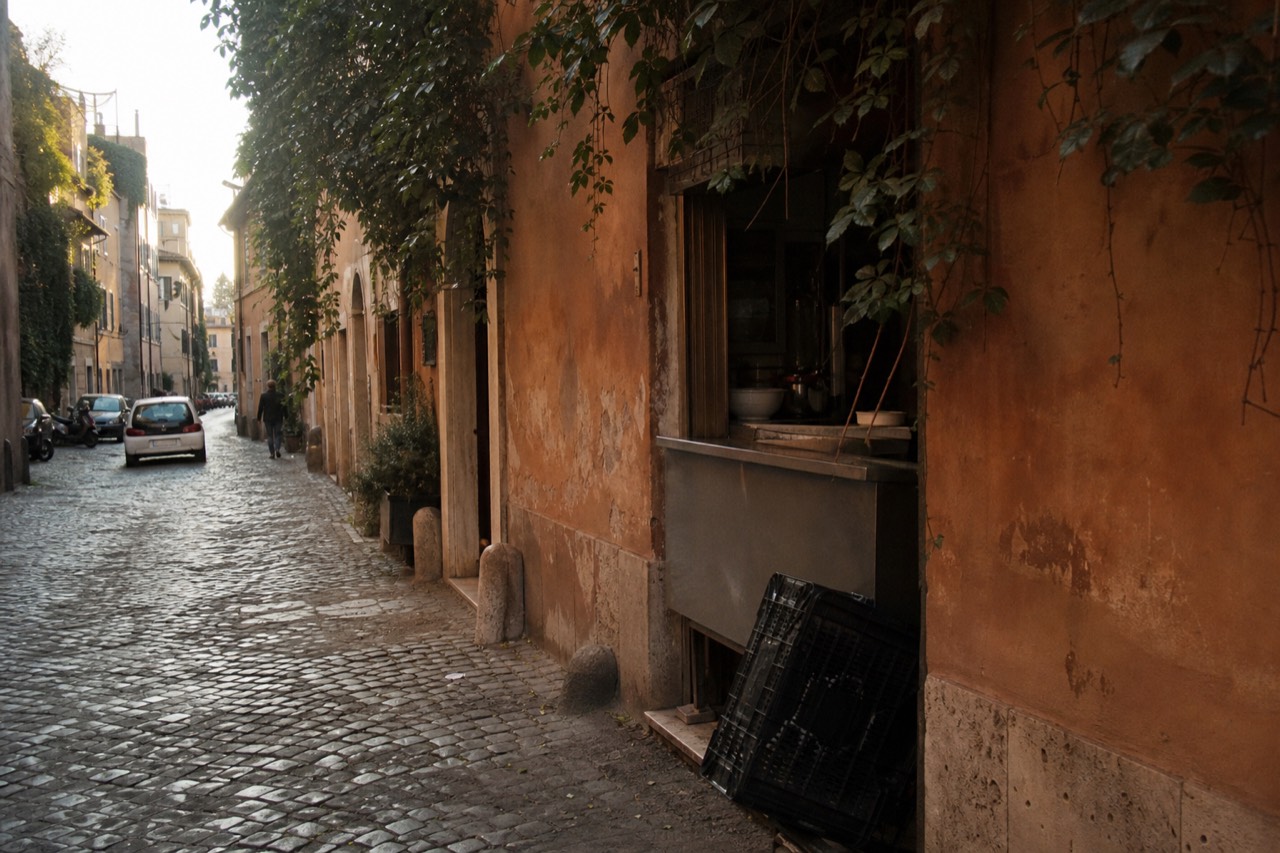
A food-first guide to Rome's overlooked neighbourhoods, markets and counters, from Testaccio's amphora hill to the Jewish Ghetto's back streets, each tied to a real tour stop.
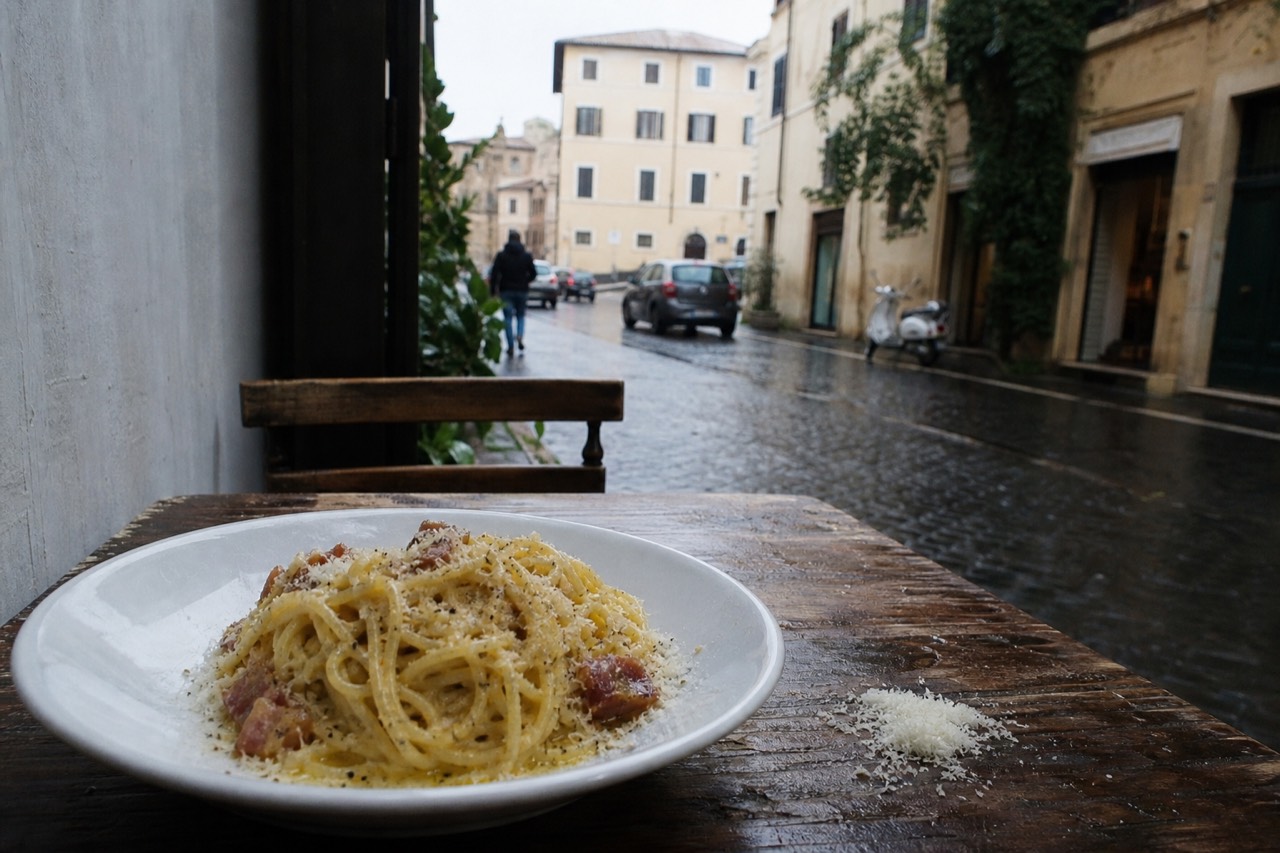
The four true carbonara ingredients, why each one matters, and what every popular substitution actually does to the dish.
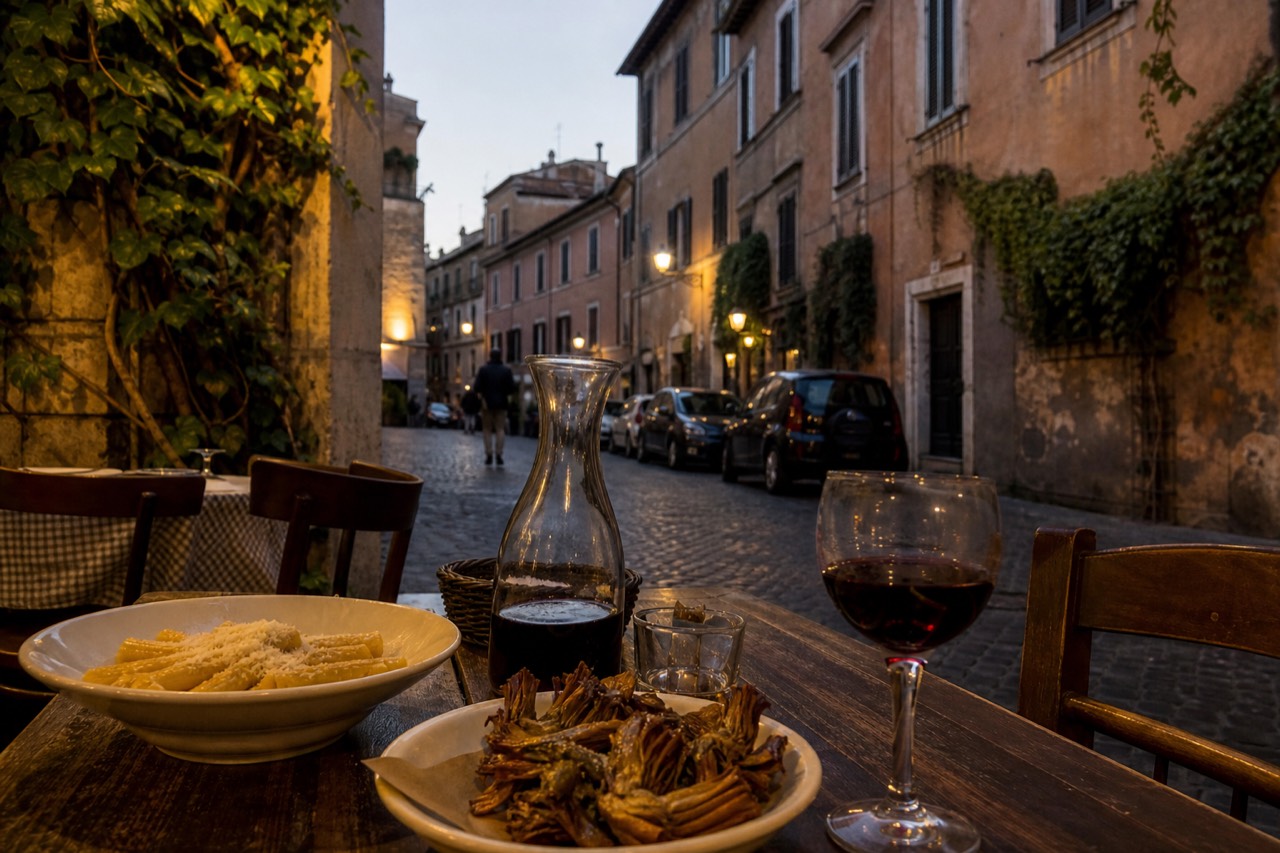
The dishes you should not leave Rome without eating, from carbonara and cacio e pepe to supplì, pizza al taglio, carciofi alla giudia and gelato, with where each one is actually good.
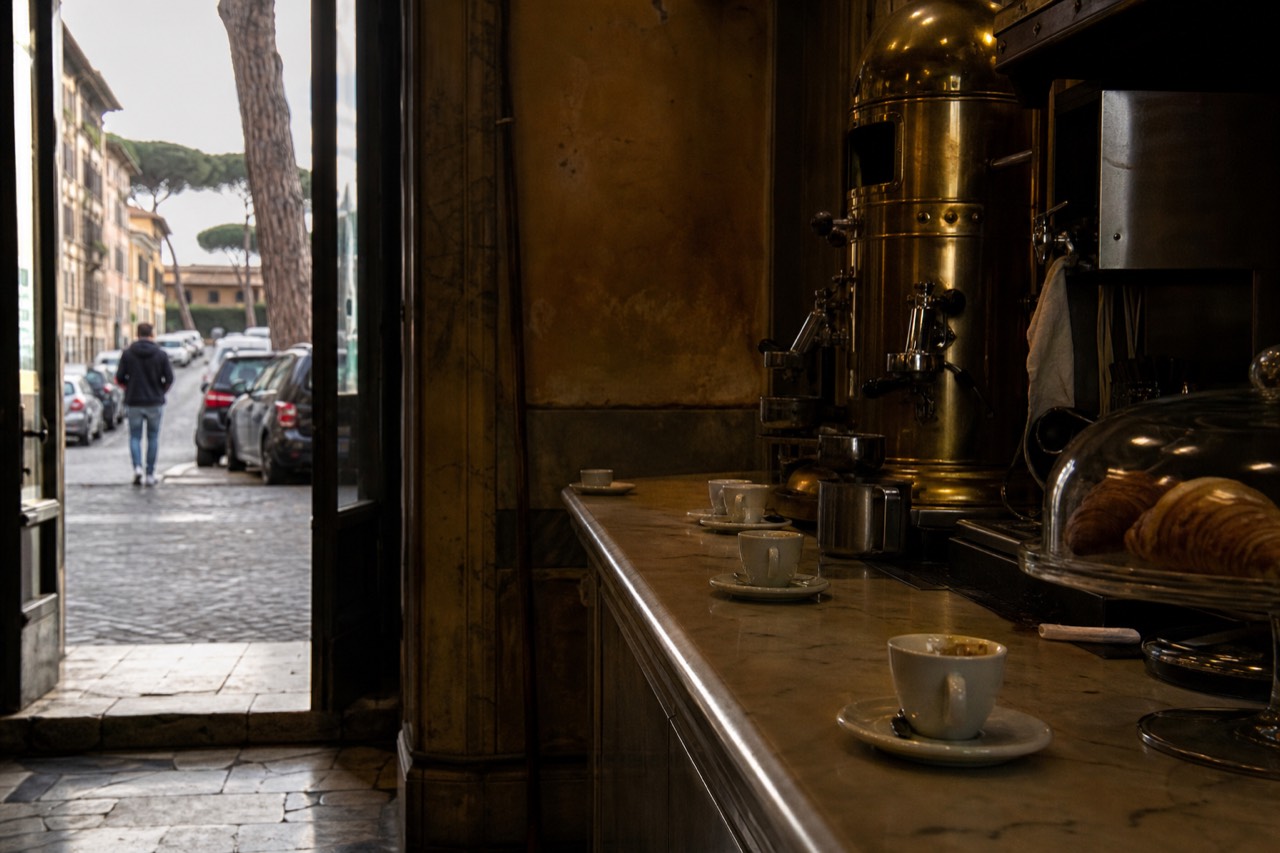
A typical Roman breakfast is a cappuccino or espresso and a cornetto eaten standing at the bar counter, often a maritozzo filled with whipped cream. Here is what to order, what it costs, and how locals actually do it.
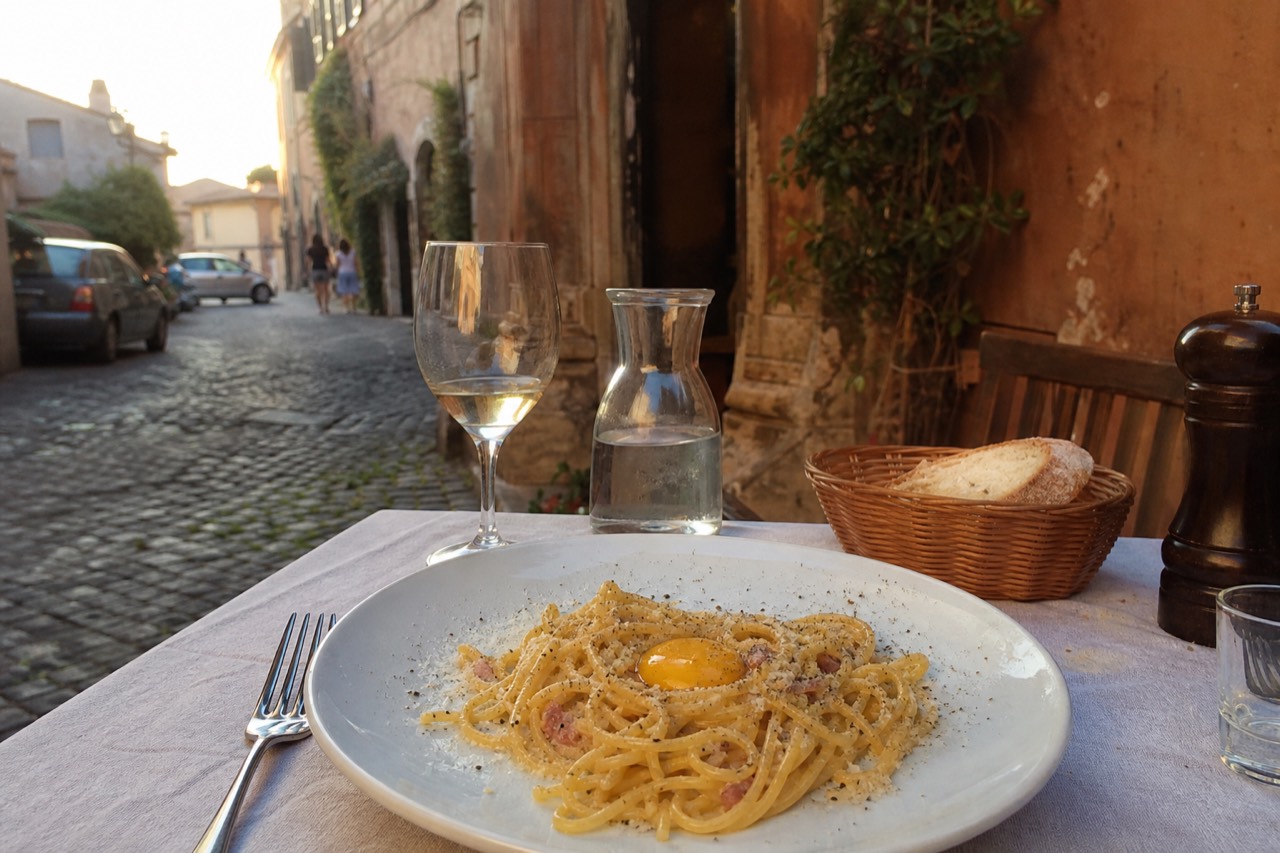
Rome's signature dish is really a family of four pastas: carbonara, cacio e pepe, gricia and amatriciana. Here is why the city answers with a canon rather than one plate.
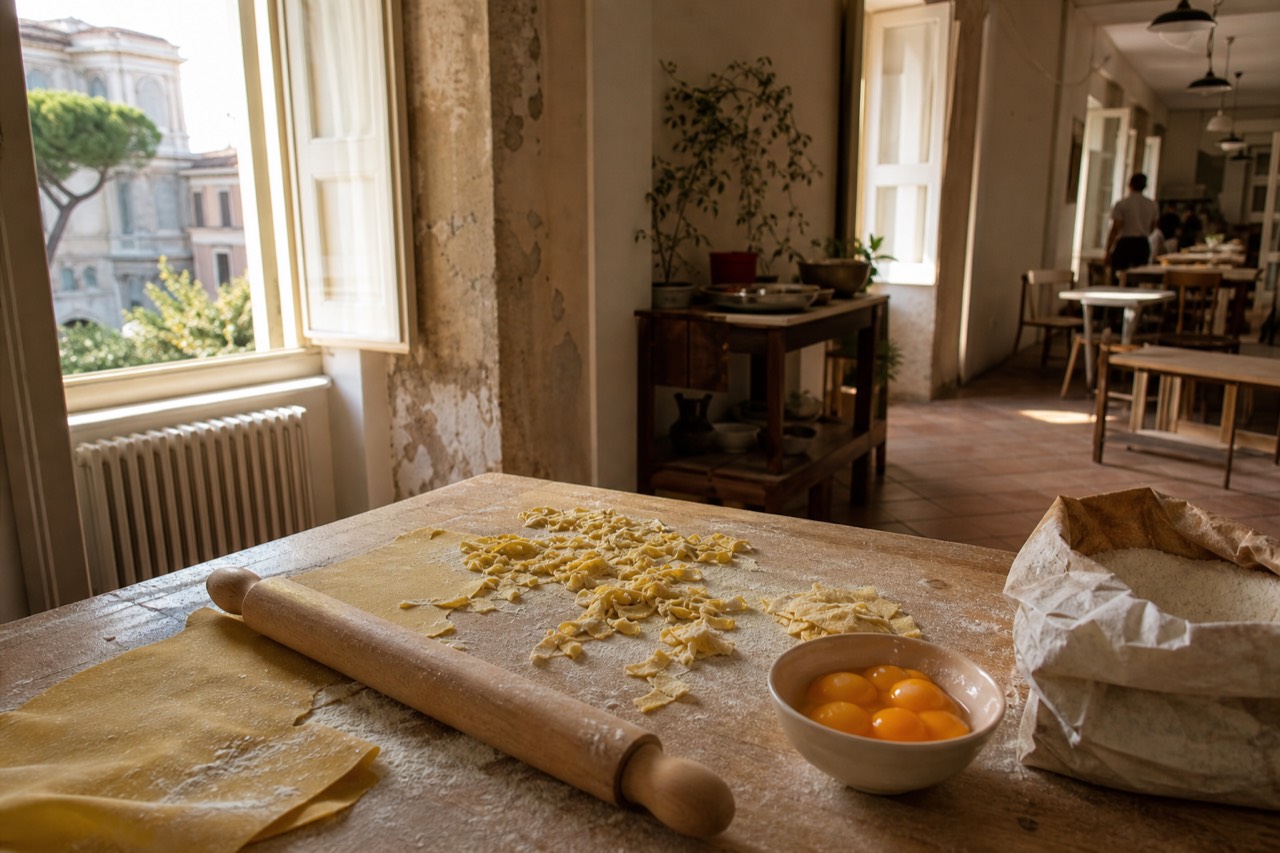
Rome cooking class prices explained: average advertised cost, price bands by class type, and what the price actually covers, from market visits to wine and the meal you cook.
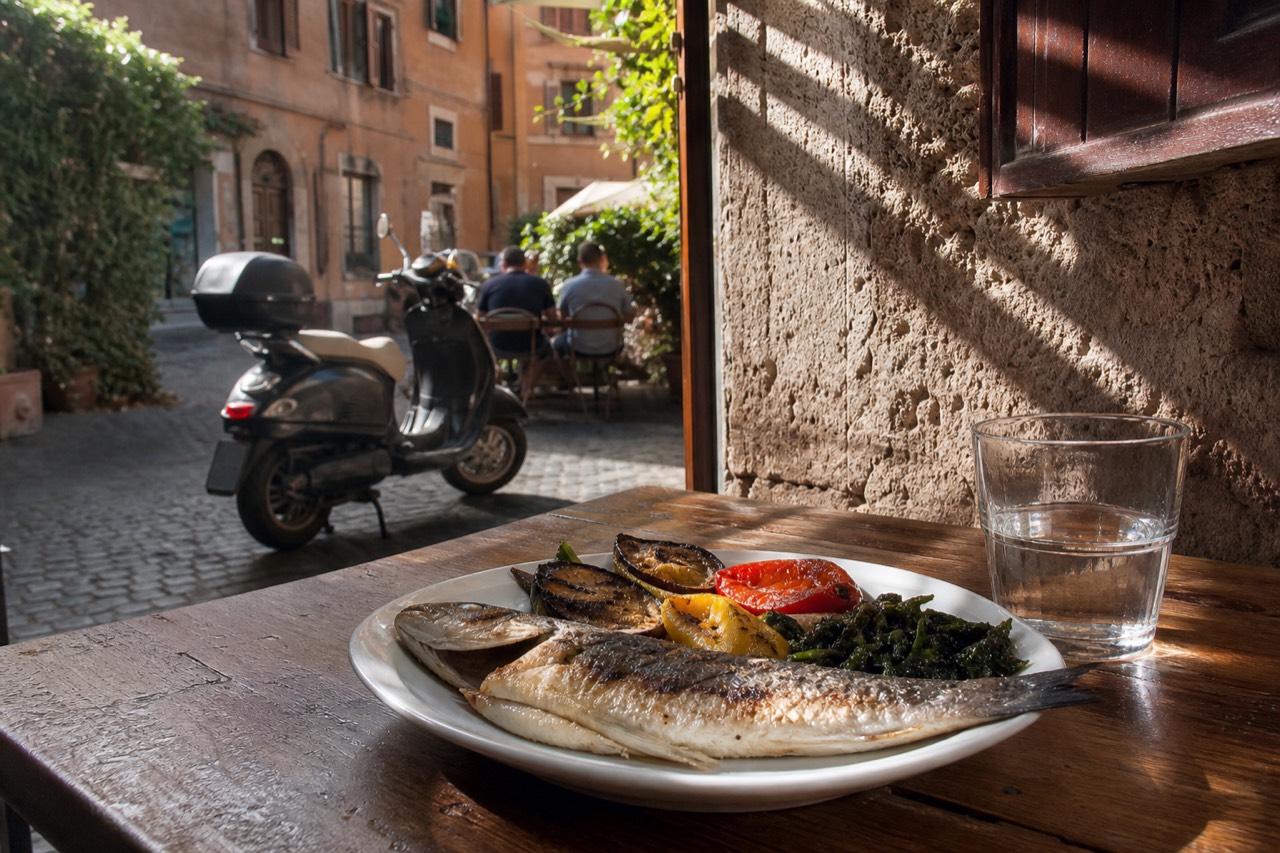
The healthiest orders at a Roman restaurant, dish by dish: grilled fish, legume soups, contorni and the vegetable-forward half of Roman cooking, with what to skip.
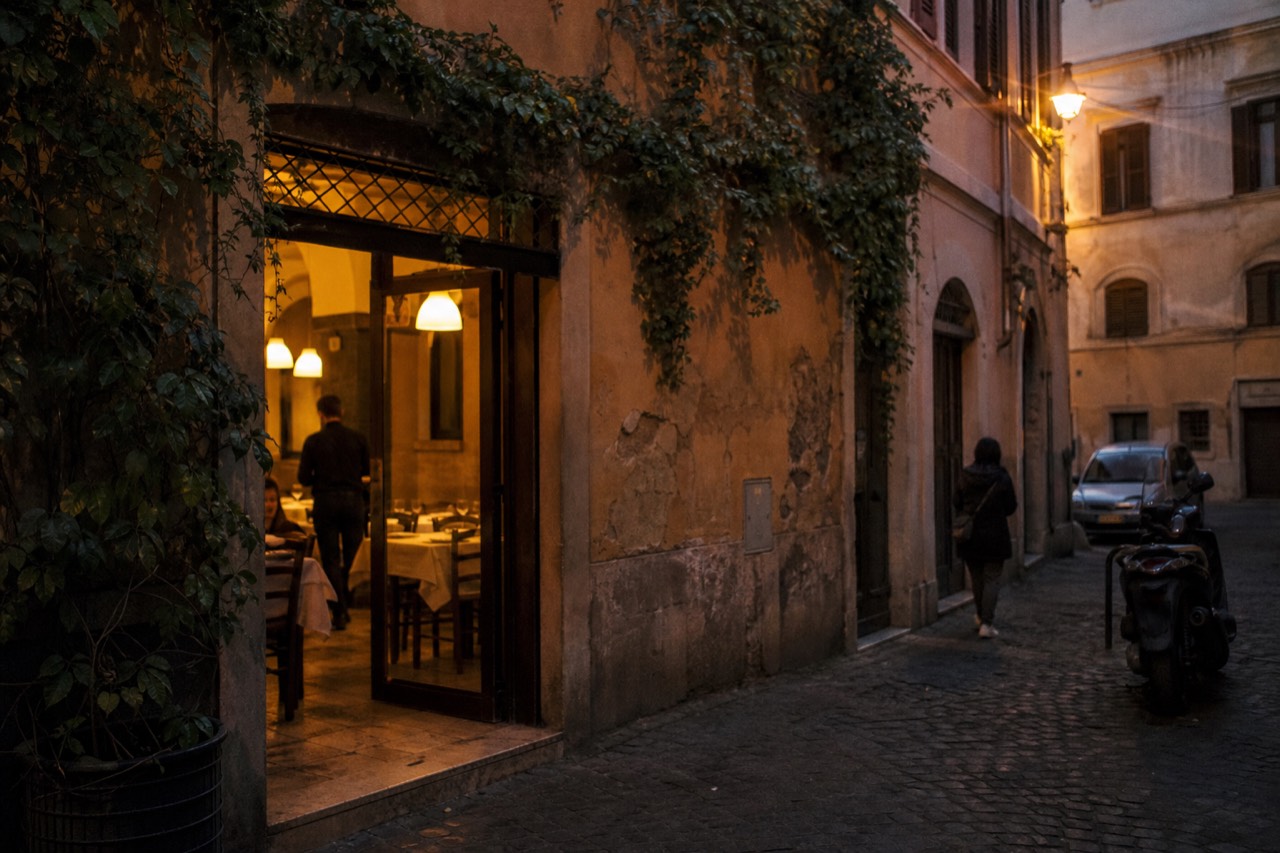
A plain-English decode of the trattoria menu: antipasto, primo, secondo, contorno and dolce, what a Roman trattoria actually serves, and how it differs from an osteria.
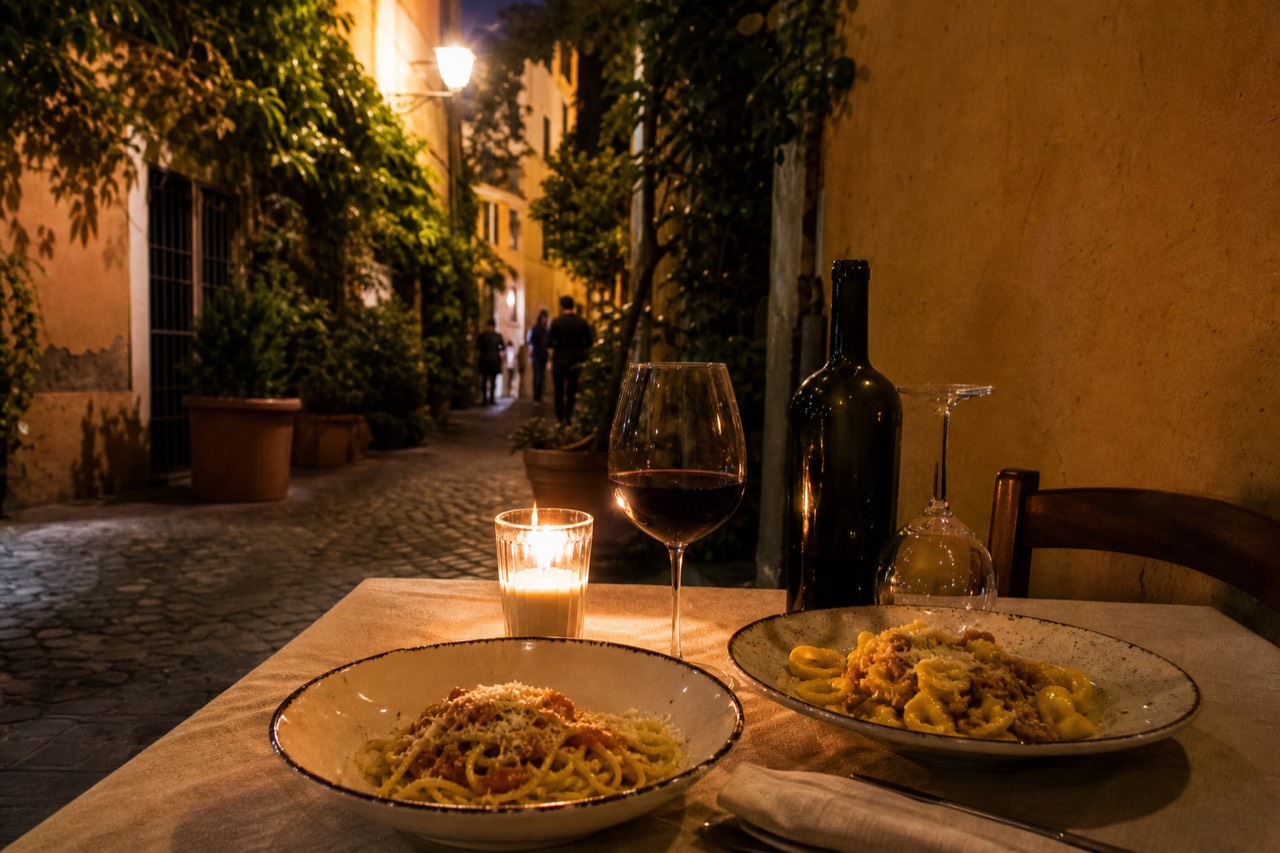
Bologna usually wins the best-food-city argument, and this page concedes it honestly, then makes the specific case for what Rome does better than anywhere: the four pastas, the Roman artichoke, pizza al taglio and the Jewish Ghetto.
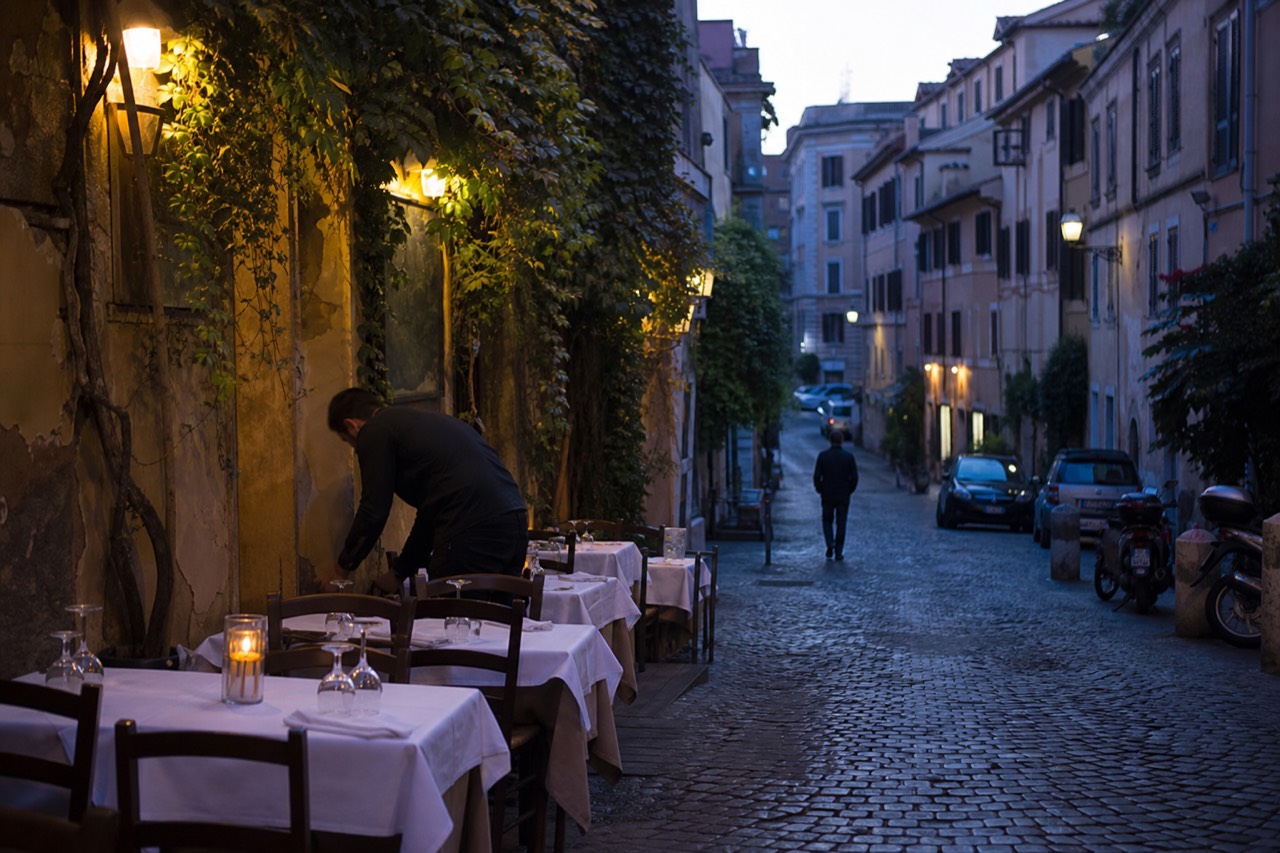
Romans eat dinner between 20:00 and 21:30, and kitchens before then are genuinely quiet. Here is why the Roman clock runs late, what fills the gap, and how to plan an evening around it.
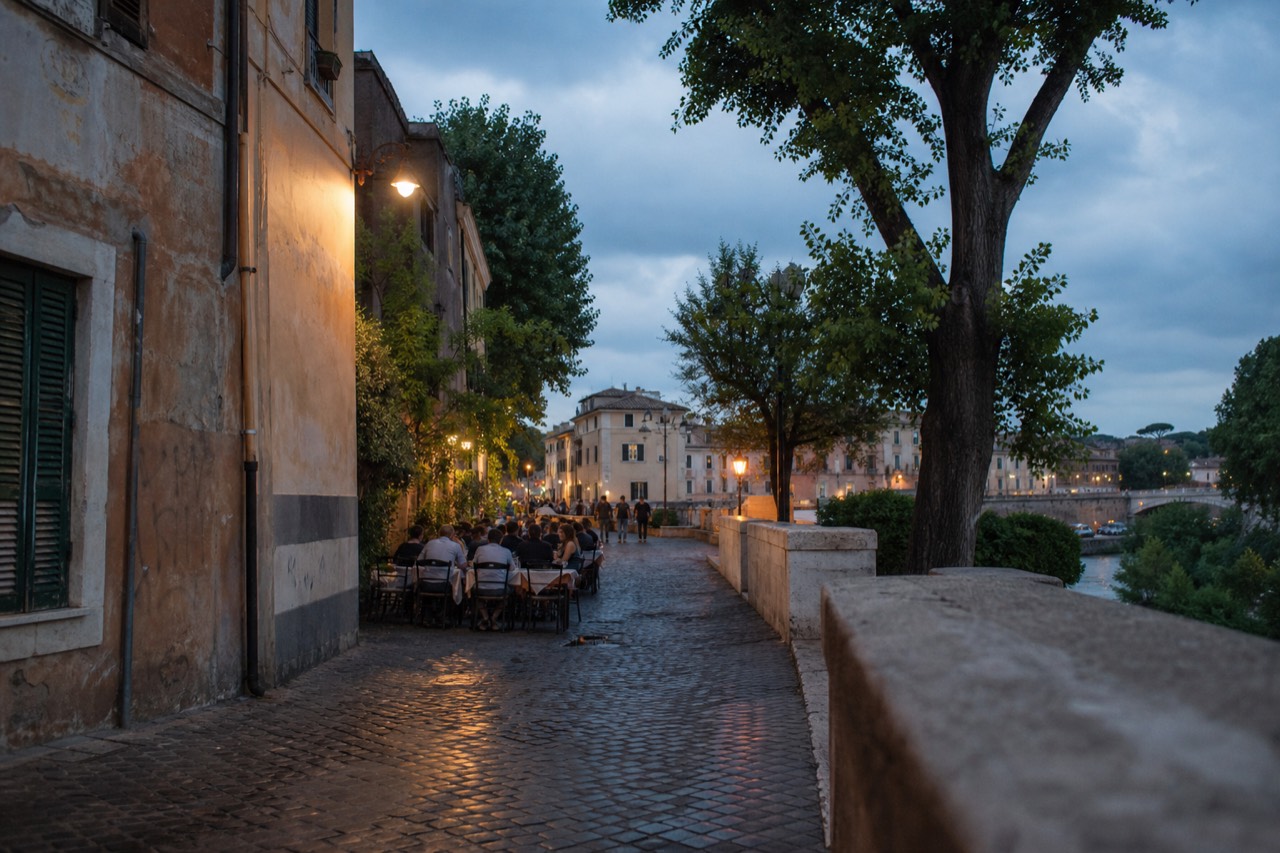
The food-side traps in Rome: menu turistico boards, photo menus, coperto surprises, fountain rules and Trastevere at night, plus how a market walk sidesteps most of them.
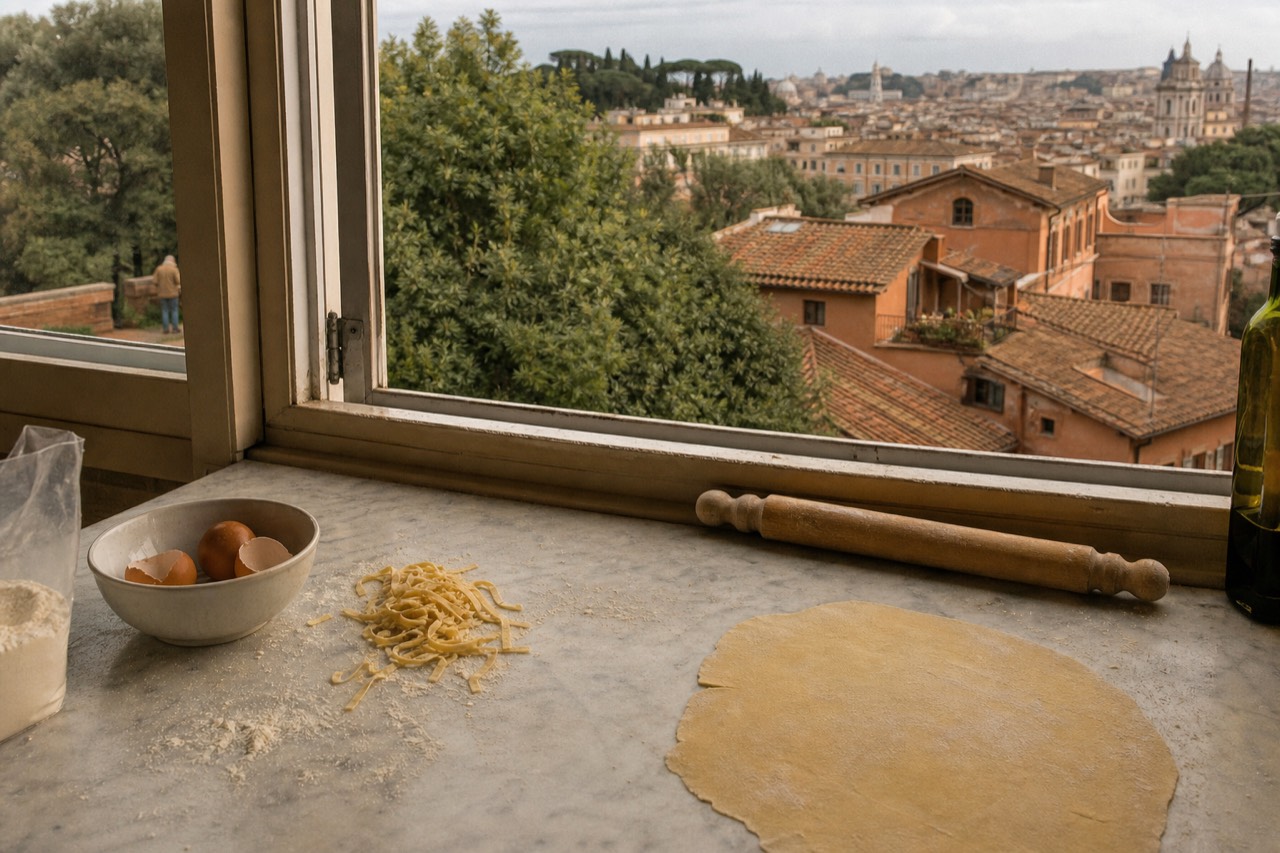
Practical clothing advice for a Rome cooking class: closed shoes, tight sleeves, aprons provided, and how to dress for the market-walk half of the day.
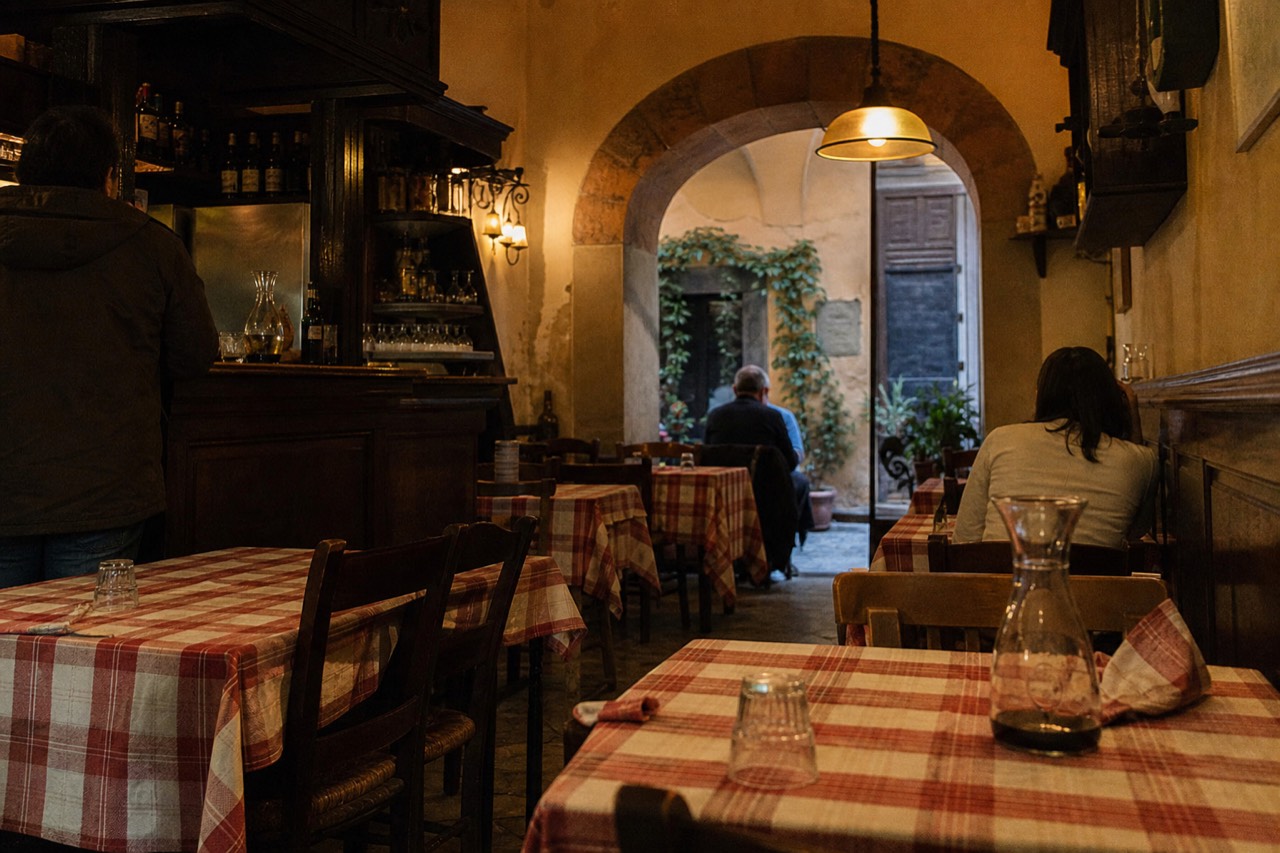
The one Rome restaurant Anthony Bourdain singled out on film, what he ate there, and how to build a day around the same kind of old-school Roman cooking today.
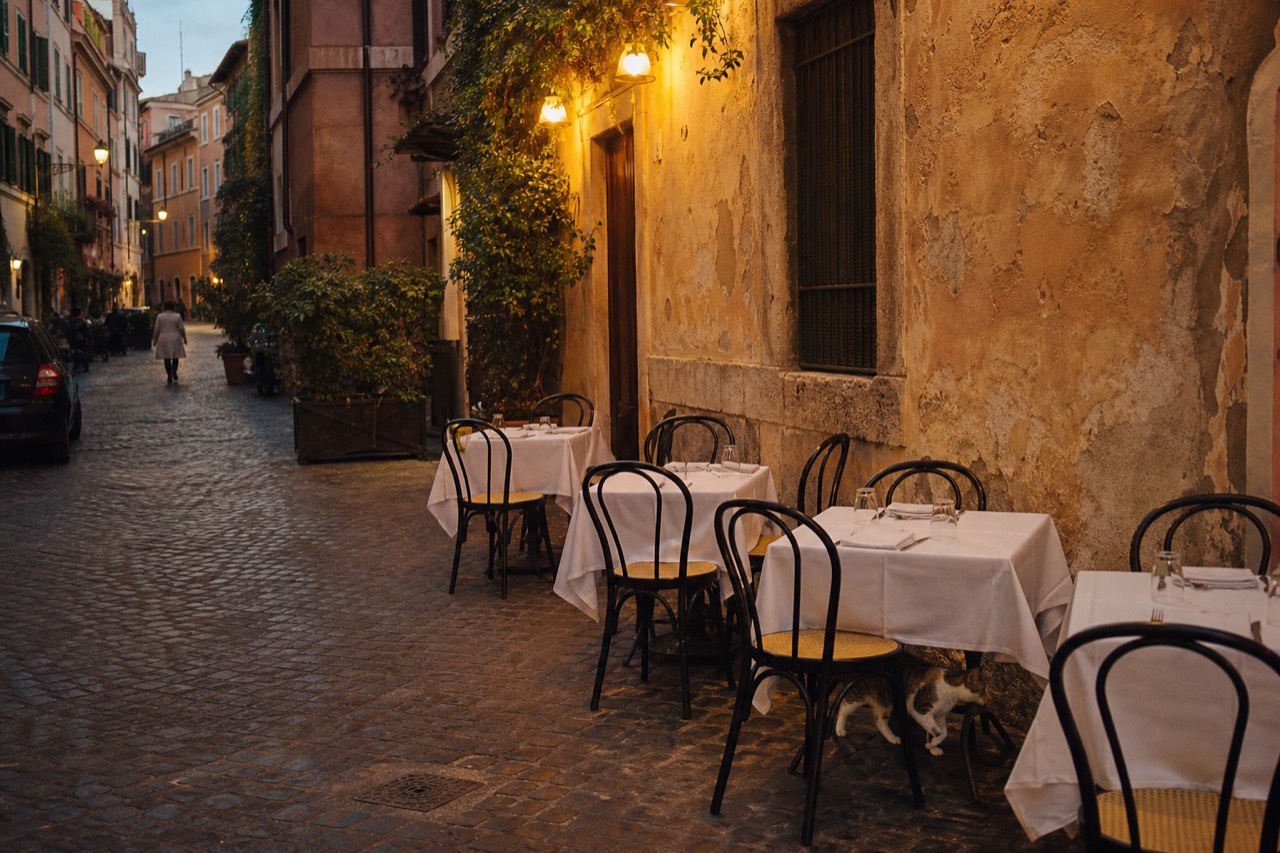
Rick Steves' published Rome eating advice, where his guidebook picks meet the current restaurant scene, and how to plan a food-focused visit around his philosophy.
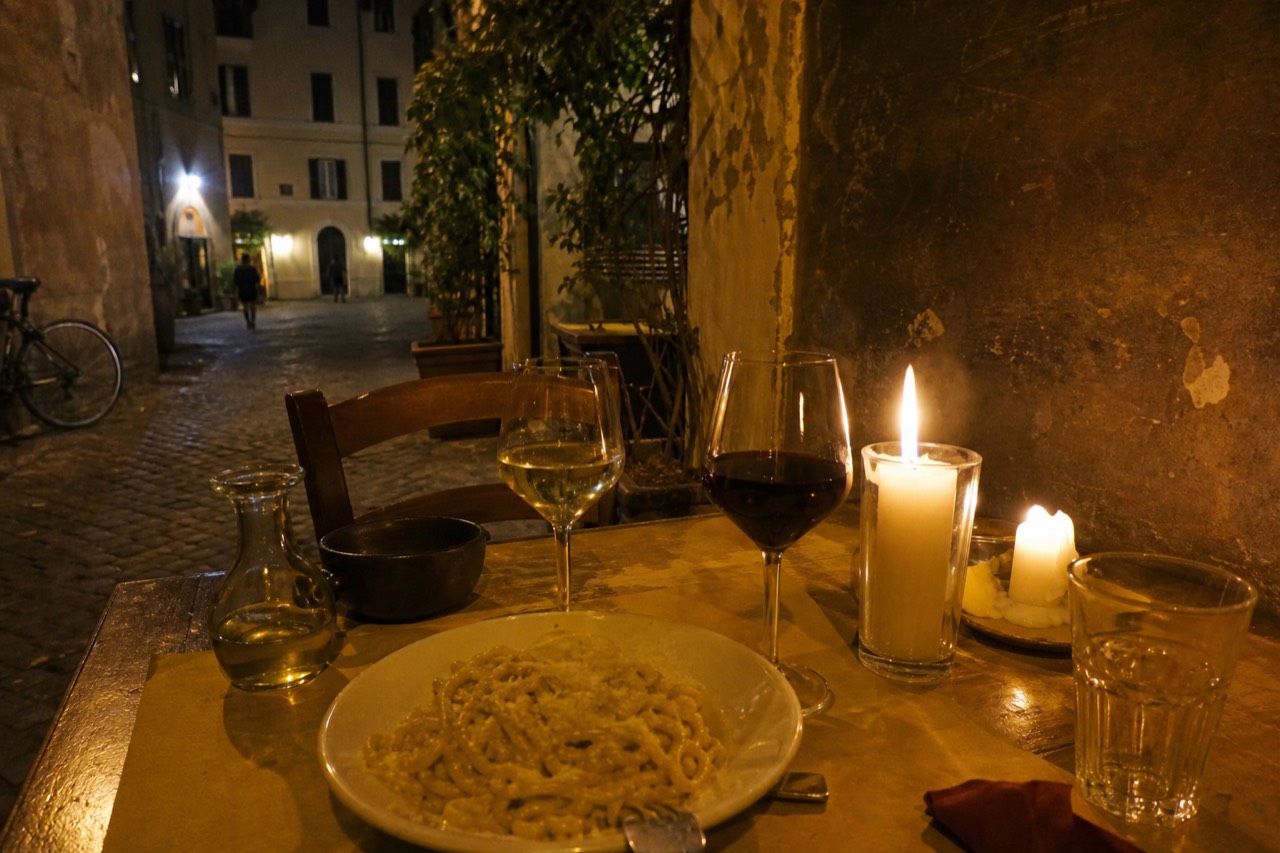
Stanley Tucci's on-record Rome restaurant picks from Tucci in Italy, including Trattoria Etruria and the smoked tongue sandwich spot, plus how to visit them yourself.
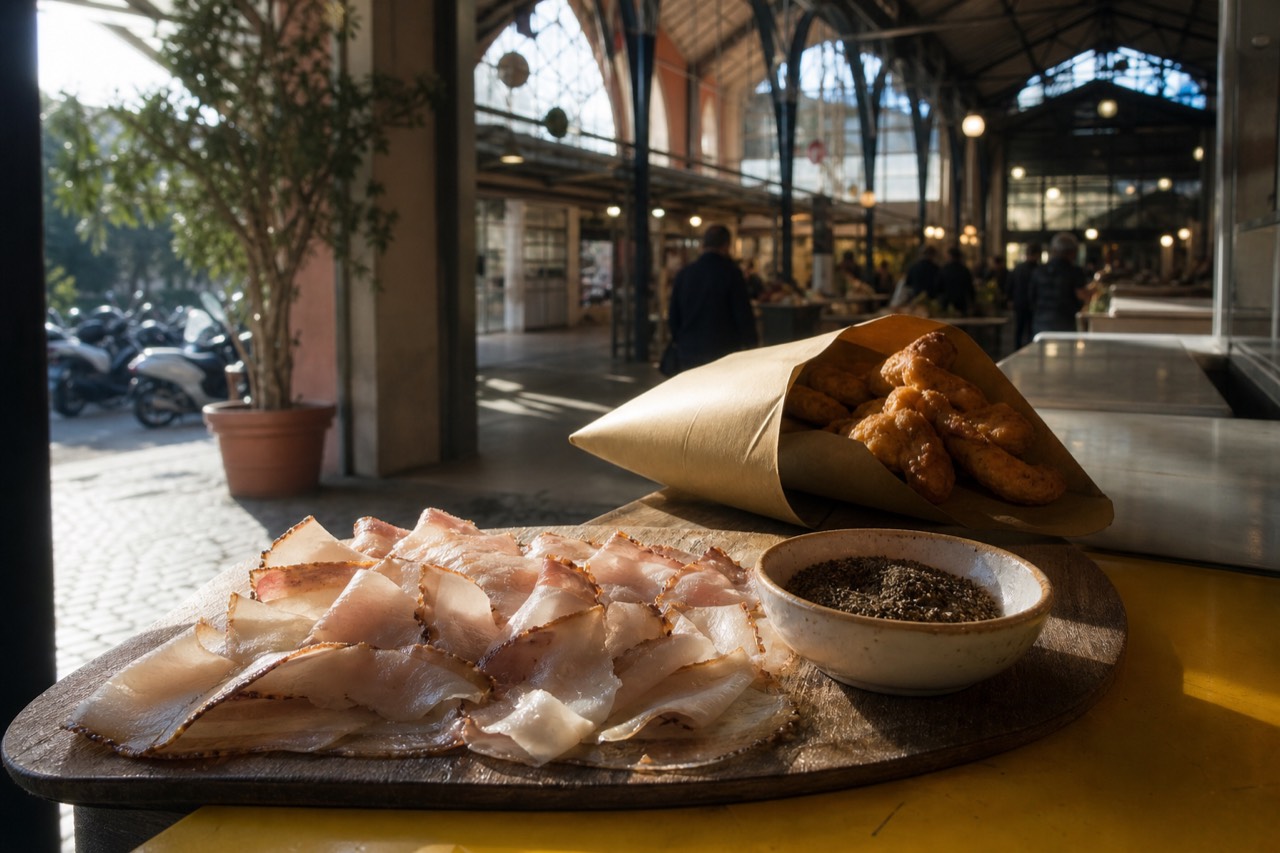
The USDA import rules, the African swine fever outbreak and the September 2026 recall that explain why real guanciale has been so hard to find in America, and where to eat it in Rome instead.