is gelato actually healthier than ice cream?
Gelato is not automatically healthier than ice cream: less butterfat and more density are real craft differences, but calories depend on portion, sugar and toppings, not the name on the sign.
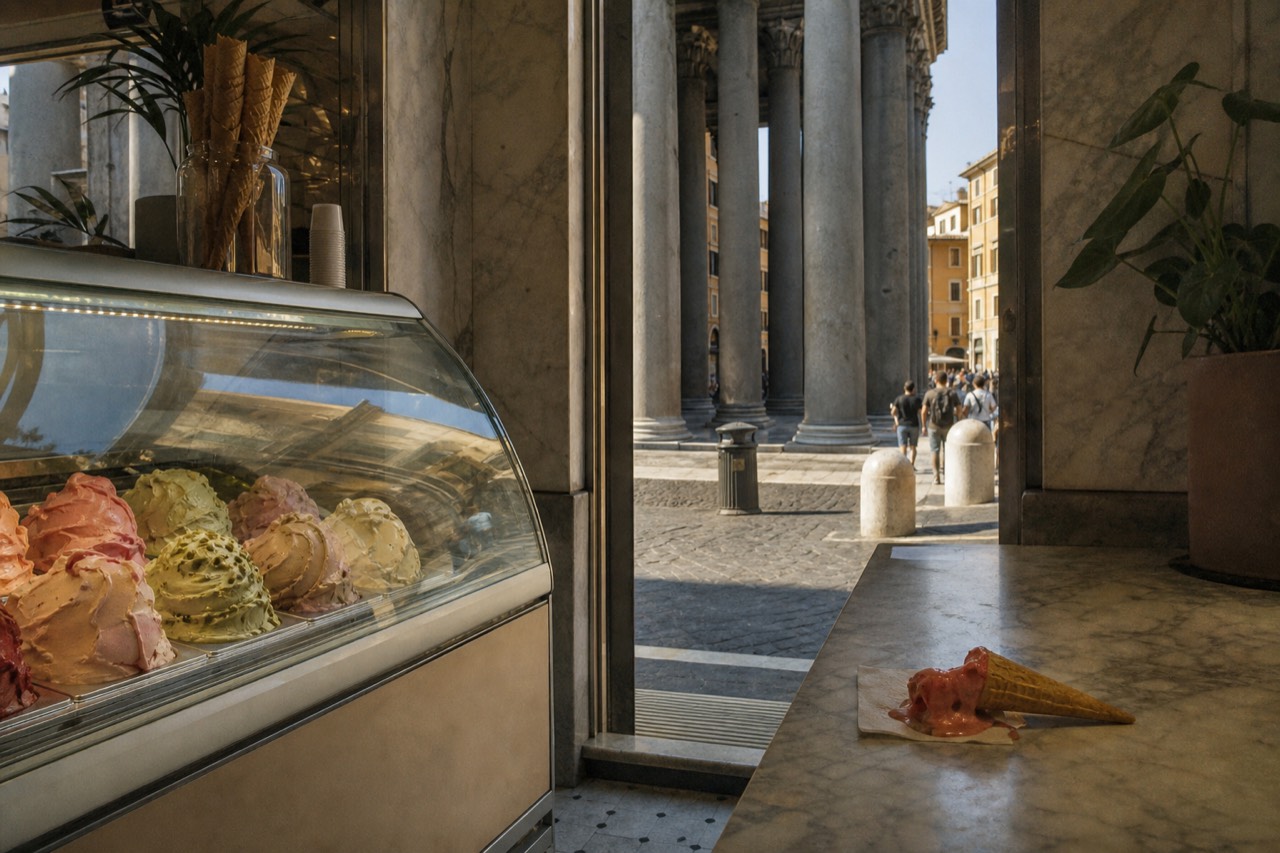
The question sounds like trivia, but it decides real purchases every day at counters across Rome. Gelato is not a diet food, and ice cream is not a sin. Both are frozen emulsions of dairy, sugar and air, and the differences that matter, fat content, churning speed, serving temperature and the size of the scoop, are craft and physics rather than magic. The artisanal gelato sector in Italy turned over 3.1 billion euros in 2025, up 3.5 percent, per SIGEP World figures, and global artisanal gelato sales reached 16.5 billion euros the same year. That is a lot of people choosing a cone on the belief that one frozen dessert beats another.
is gelato actually healthier than ice cream?
Not automatically. Gelato is typically churned with less butterfat, more density and less added air than American-style ice cream, and it is served warmer, so a small portion delivers more flavor per spoonful. But the calorie count depends on the recipe, the sugar and the size of the serving, and a large gelato with toppings can easily outweigh a modest cup of ice cream.
The honest version of the answer is conditional. If two portions are identical in size, and both are plain flavors with no sauces, gelato's lower butterfat and lower overrun, the trade term for the air whipped in during churning, usually mean slightly less fat per spoonful. Ice cream in the American style is legally defined by its cream and fat content in many markets, and its recipes lean on that fat for both texture and shelf stability. Gelato makers instead chase density: less air, a warmer cabinet, and flavors that read loudly at a lower fat level.
But the moment the comparison leaves the laboratory, portion takes over. A medium gelato cone in central Rome cost up to 4 euros in July 2025, and the medium in a tourist-heavy gelateria is often two or three flavors mounded well above the rim. A pint of supermarket ice cream, by contrast, is portioned at home, where a serving is whatever fits a small bowl. The person who eats half a kilo of gelato while walking has not made a healthier choice than the person who eats 100 grams of ice cream with a spoon.
There is also the sugar question. Because fat carries flavor slowly and sugar carries it fast, some low-fat gelato recipes compensate with more sugar, so the "lighter" option can match or exceed the ice cream on total calories. And on 10 December 2025 UNESCO inscribed Italian cuisine, the first national cuisine recognized in its entirety, on its Representative List of the Intangible Cultural Heritage of Humanity, per Reuters coverage of the New Delhi session. Recognition of a tradition is not a nutritional certification, and treating it as one is where most of the confusion starts.
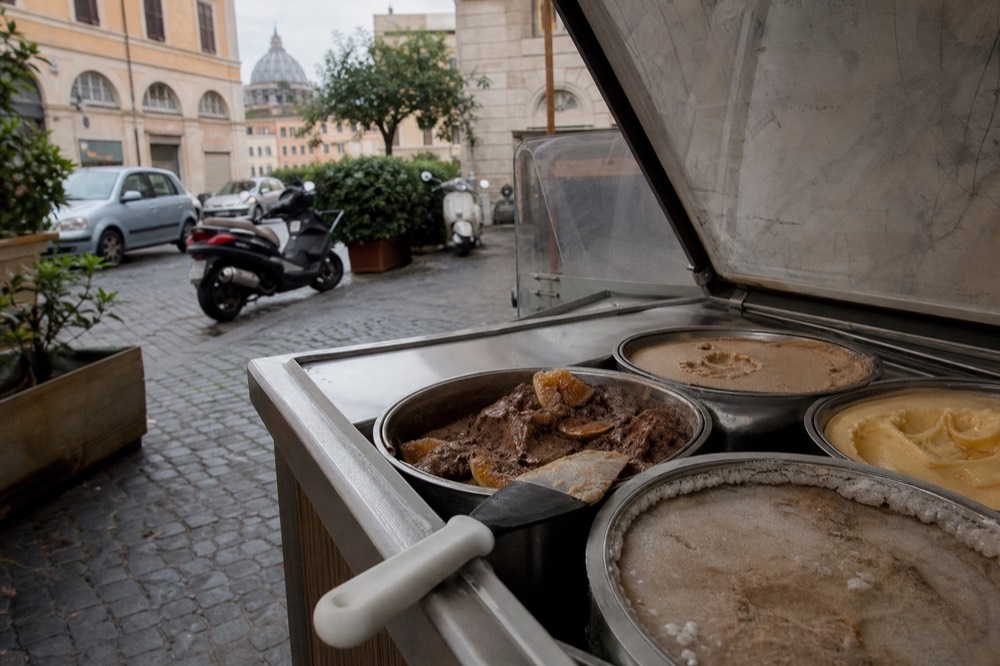
If your Rome trip is built around tasting rather than theorizing, a guided walk through the city's food markets puts you in front of the raw ingredients, the dairy, the fruit, the nuts, that both desserts come from, with a guide who can explain what a well-made gelato should look like before you order it.
What makes gelato different from ice cream at the counter?
Three craft differences separate them: gelato is typically made with a lower proportion of cream and butterfat, churned with less air so it is denser, and held at a warmer serving temperature, roughly ten to fifteen degrees warmer than a hard ice cream cabinet. Together these change texture and flavor intensity more than they change the calorie total.
Start with the base. Ice cream in the Anglo-American tradition starts with heavy cream, and its fat is structural: it stabilizes the frozen emulsion, keeps ice crystals small, and lets the product survive hard freezing and long storage. Gelato leans harder on milk, and the best Roman shops build each flavor as its own recipe rather than one base with flavorings folded in. A pistachio gelato and a lemon gelato in the same case may have genuinely different fat and sugar levels, which is one reason no single nutrition number describes "gelato" as a category.
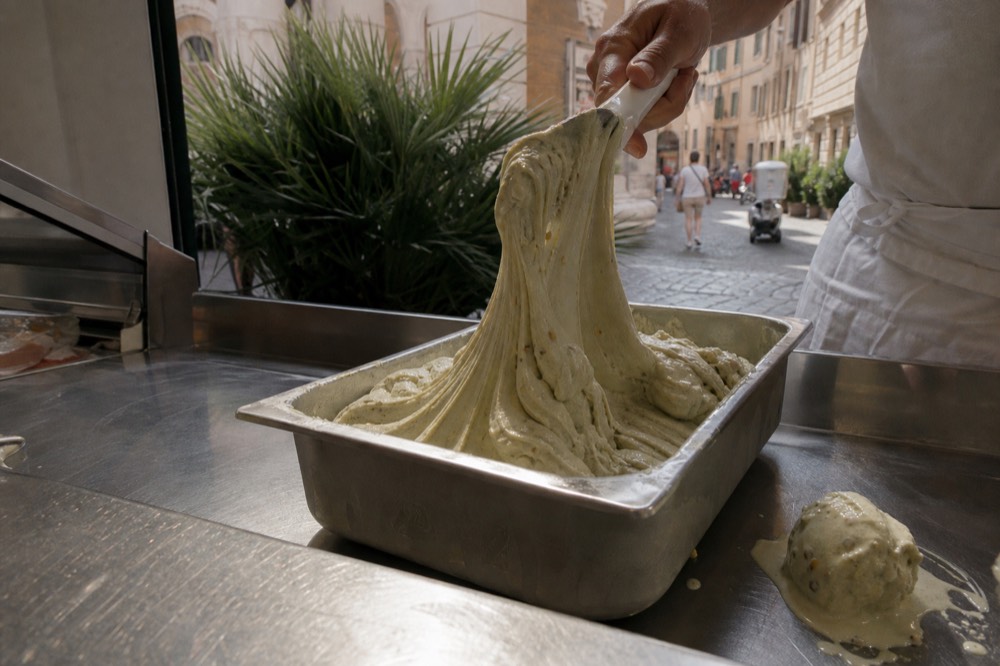
Second, air. Churning whips air into the mix, and the industry calls the volume gain overrun. Cheap ice cream can be half air by volume, which is why a liter feels light and melts into foam. Gelato is churned slowly and served from a covered, temperature-controlled tray, and a well-made batch is dense enough that the spatula leaves clean ridges. Density is also where the portion-size trap hides: a dense product delivers more calories per level spoonful than an airy one, so "it's only a small cone" means less than it seems.
Third, temperature. Ice cream is scooped hard, well below freezing, because fat and air let it survive that. Gelato is held warmer so it is soft, stretchy and aromatic, because volatile flavor compounds are more perceptible when the product is not fully frozen. That is why gelato tastes more intense at first spoonful, and why people often stop earlier, which is the healthiest mechanism in the whole comparison: not chemistry, but satisfaction.
| Attribute | Artisanal gelato | American-style ice cream |
|---|---|---|
| Dairy base | Milk-forward, less cream by tradition | Cream-forward, fat is structural |
| Air (overrun) | Low, dense texture | High in mass-market versions |
| Serving temperature | Warmer cabinet, soft and stretchy | Hard-frozen, scooped cold |
| Flavor delivery | Intense at first spoonful, warm serving | Fat carries flavor slowly |
| Typical portion | Cone or small cup, eaten immediately | Bowl or pint, often eaten at home |
| Health implication | Density means more calories per spoonful | Air means fewer, but portion control is loose |
Wondering where a market walk would fit into a gelato-focused trip? The covered markets of Rome are where many small gelaterie and pastry shops source their fruit, nuts and dairy, and a guided visit turns the abstract comparison into something you can taste, with a free-cancellation option on most listings so the plan stays flexible.
Does less fat automatically mean fewer calories?
No. Fat and sugar trade places. A lower-fat frozen dessert often carries more sugar to compensate for flavor and texture, and the calorie difference between a milk-based gelato and a cream-based ice cream of the same size can be small or even reversed. The name on the sign tells you the style, not the calorie count.
This is the part of the question where most popular articles go wrong, because they compare a platonic artisanal gelato against a platonic industrial ice cream and stop there. Real counters are messier. A fior di latte gelato, plain sweet milk flavor, is one of the leanest frozen desserts you can order in Rome. Two counters down, a ricotta and honey flavor or a chocolate with olive oil can be richer than a basic vanilla ice cream, because the maker is chasing flavor, not a nutrition label.
Sugar does more in a low-fat mix than sweeten. It lowers the freezing point, softens texture and carries fruit and nut flavors that fat would otherwise mask. When a recipe cuts fat, something has to replace its body, and in gelato that something is usually a combination of sugar, milk proteins and sometimes dextrose or other sugars chosen for their freezing behavior. The result can be a product with less fat and roughly the same total calories as the ice cream it is compared against.
The practical test is simpler than the chemistry. Order the smallest size, one flavor, no panna, no sauces, and eat it slowly while walking. That single decision does more for the calorie total than choosing gelato over ice cream ever will. If you are comparing two shops rather than two categories, look at the case itself: covered metal trays, modest mounds, colors that look like their ingredients rather than like a candy aisle, and flavors that change with the season are the visible markers of a shop making its own base.
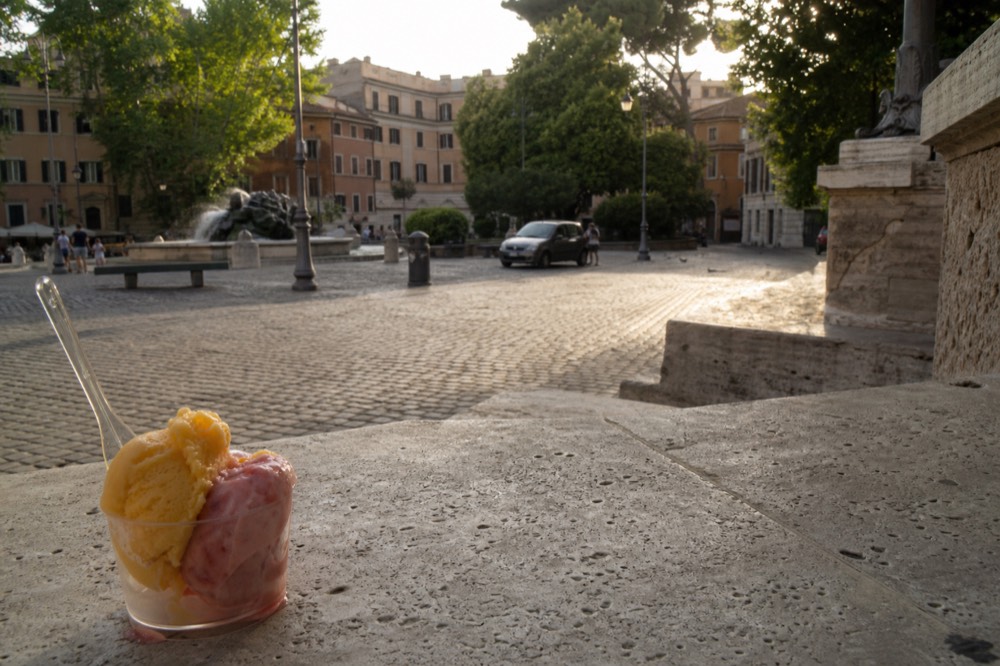
A market-based food walk is a good place to build that eye. The Rome: Food Tour with Market Visit spends 4 hours moving through a covered market and the surrounding food shops, and its guides talk through how Romans judge quality at a counter, from the height of the mound to the color of the pistachio. It runs $101.27 per person with a 4.8 rating across 204 reviews, and you can Check availability alongside the site's guide to Rome gelato tours and tastings.
Why serving temperature and density change what you taste
Warmer serving temperature is the single most underrated difference. Flavor compounds in a frozen dessert become perceptible as they warm on the tongue, so gelato served ten to fifteen degrees warmer than hard ice cream tastes more intense without needing more fat or sugar. Density then concentrates that effect per spoonful.
Think of cold as a flavor damper. The colder a food, the more its aromatics stay locked in the matrix, which is why hard-frozen ice cream tastes faint until it softens. Gelato makers exploit this deliberately: since their product is held warmer, they can hit a bold flavor target with less fat and often less sugar than a hard-frozen product would need. That is the honest kernel inside the "healthier" claim, and it is a sensory fact, not a nutritional one.
Density works the same direction. Less air means each spoonful carries more actual mix, so flavor arrives faster and the eaters' sense of "enough" arrives sooner. In practice, many people finish a small gelato and feel satisfied, while a bowl of airy ice cream can disappear without ever tasting strongly of anything, inviting a second serving. Portion discipline through satisfaction is a real mechanism, and it is the best defensible version of the health argument.
The reverse also holds. Because gelato is dense and warm-served, a triple-flavor mound in a waffle cone is a genuinely large amount of dessert, more than it looks. Rome's central gelaterie compete on generous, photogenic cones, and the tourist version of gelato culture has drifted toward spectacle. If health is the goal, order the piccolo, the small cup, and treat the cone as the occasional exception rather than the default.
There is a seasonal layer to this too. Roman shops that make their own base rotate flavors with the market, and a winter case of citrus and chestnut reads very differently from a July case of melon and fig. Seasonal fruit flavors tend to be the leanest options in any case, because the fruit itself supplies water, aroma and sweetness, letting the maker cut back on both sugar and cream. A shop whose flavors never change is telling you something about its supply chain, and that something rarely favors the nutrition column.
How portion size actually decides the health answer
Portion size beats product category every time. The difference between a small cup of gelato and a large cone can be several times larger than the difference between gelato and ice cream of the same size. If you want a healthier frozen dessert habit, fix the serving first and the sign on the shop second.
Run the comparison the way a nutritionist would. Take two identical 100 gram servings, one plain milk-based gelato, one standard vanilla ice cream: the gelato likely has less fat, possibly a bit more sugar, and total calories within a modest band of the ice cream. Now take the real-world versions: a two-flavor cone mounded above the rim eaten standing in a piazza, versus a measured scoop at home. The portion gap dwarfs the recipe gap.
Rome makes the large portion easy and pleasant, which is exactly the problem. A cone eaten slowly over twenty minutes of walking feels like part of the evening rather than a dessert, and there is always another celebrated gelateria two streets away, a pattern worth reading about in the site's piece on what to eat in Rome. The structure of a Roman food evening, an aperitivo, a walk, a gelato, is built around movement, and that helps, but it does not cancel three consecutive dessert stops.
The workable rules, in order of impact: order the smallest size; choose one flavor instead of three; skip whipped cream and syrup; prefer fruit, nut or fior di latte flavors to confectionery flavors; and eat it in place of dessert rather than in addition to it. Follow those and the gelato-versus-ice-cream question becomes a matter of taste, which is where it belongs.
Where to find gelato made fresh in Rome
Look for shops that make their own base daily, display gelato in covered stainless steel trays with modest mounds, change flavors with the season, and list ingredients you recognize. In Rome, the Gambero Rosso Gelaterie d'Italia guide's top Tre Coni awards in Lazio went to Torcè, Otaleg!, Il Cannolo Siciliano, La Gourmandise, Stefano Ferrara Formaessenza and Gretel Factory, a shortlist worth carrying.
The covered-tray rule is the fastest visual test. Air is the enemy of quality after churning, and a lid keeps temperature stable and aromatics in. Mountains of gelato towering above the case mean the shop is marketing size, and vivid, unseasonal colors usually mean stabilizers and paste rather than fruit. A good Roman case in winter shows citrus and chestnut; in summer, melon, fig and peach. Seasonal rotation is the shop telling you it works with a market, not a warehouse.
The award list is a shortcut, not a guarantee. Gambero Rosso's Lazio Tre Coni winners, per the guide's published 2027 edition coverage, span styles from Sicilian cannoli specialists to formaggi-focused artisan counters, so match the shop to the flavor you actually want. And the international bar keeps rising: the Gelato World Cup 2026 was won by Singapore, with France second and Argentina third, a reminder that the craft is now global even as Rome's counters stay stubbornly local.
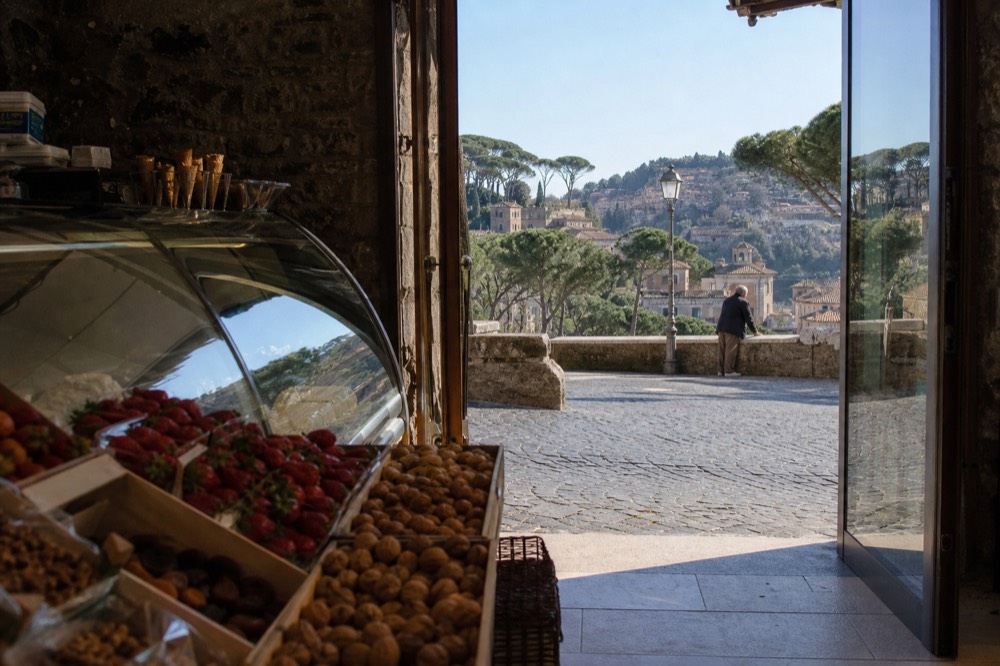
If you want the comparison explained with tastings attached rather than read about, a market-focused tour does the job well. The Testaccio Food Tour with Roman Pasta and Market Tastings moves through the neighborhood whose covered market supplies many of the city's small producers, runs 3 hours 30 minutes, and carries a 4.9 rating from 1,760 reviews, with pricing on the listing varying by group size. It pairs well with the site's overview of Rome's street food markets.
The site publisher behind this comparison, Rome Food Tours, keeps a full set of neighborhood guides for eating across the city, so the cone you choose after reading can be a considered one.
The short answers below cover the six questions readers ask most: whether gelato is truly healthier, why it tastes stronger, whether it has less sugar, whether it is easier to digest, how to spot a good Roman gelateria, and what the healthiest order looks like. Each answer keeps to what the craft and the sourcing support, and avoids the marketing version of the claim.
Common questions about gelato and ice cream
is gelato actually healthier than ice cream?
Not automatically. Gelato is typically lower in butterfat, denser and served warmer, so a small portion delivers strong flavor with less fat than American-style ice cream. But sugar often rises when fat falls, and a large multi-flavor cone can carry more calories than a modest serving of ice cream. Portion size, toppings and the individual shop's recipe decide the outcome more than the category name.
Why does gelato taste more intense than ice cream?
Gelato is held at a warmer serving temperature, roughly ten to fifteen degrees warmer than a hard ice cream cabinet, and flavor compounds become perceptible as the dessert warms on the tongue. Lower air content also means each spoonful carries more actual mix. The intensity comes from serving temperature and density, not from added flavoring.
Does gelato have less sugar than ice cream?
Not reliably. Some gelato recipes carry more sugar than the ice cream they are compared with, because sugar softens texture and carries flavor in a lower-fat, warmer-served product. Fruit flavors often read as lighter than they are. There is no fixed sugar advantage to either category; it depends on each shop's recipe.
Is gelato easier to digest than ice cream?
Many people report feeling lighter after gelato, and the plausible reasons are practical rather than proven: smaller typical portions, less fat in a milk-forward base, and a warmer serving temperature that means less thermal shock. But a dense gelato eaten in a large cone is still a full dessert. Individual tolerance to dairy and fat varies far more than the category difference.
How do I spot a good gelateria in Rome?
Look for covered stainless steel trays, modest mounds rather than towering spirals, colors that resemble the actual ingredient, and a flavor list that changes with the season. A plastic or metal lid over each tray is a good sign. Gambero Rosso's Lazio Tre Coni winners, including Torcè, Otaleg! and Il Cannolo Siciliano, are a reliable shortlist to start from.
What is the healthiest gelato order?
The smallest cup, one flavor, no whipped cream and no syrup, in a fruit, nut or fior di latte style, eaten in place of dessert rather than after it. Those choices change the calorie total far more than choosing gelato over ice cream does, and they leave room to enjoy the cone as part of a walk rather than as a second dessert.