Should I take a cooking class in Rome?
A practical guide to deciding between a hands-on cooking class and a food tour in Rome, with cost comparisons, what you'll learn, and who each option suits best.
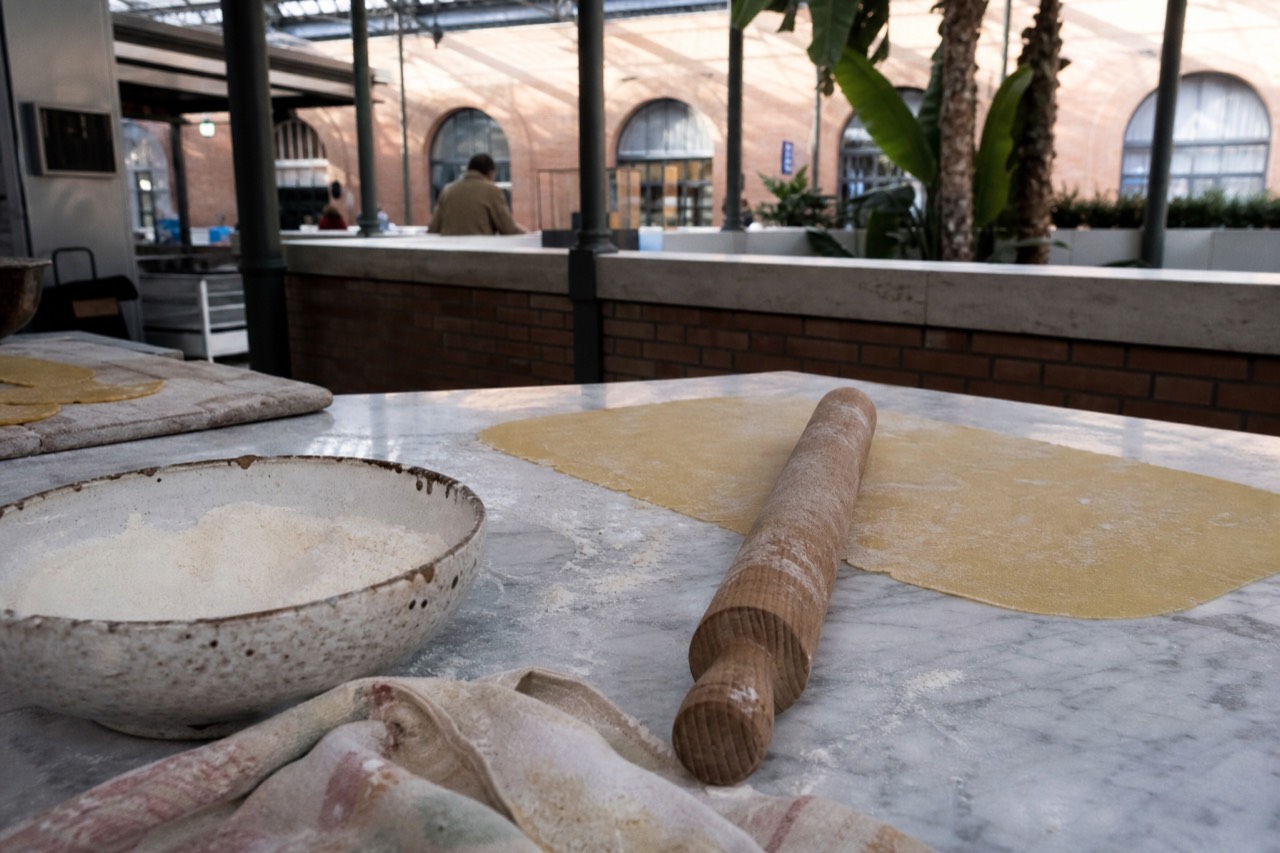
Should I take a cooking class in Rome?
Yes, for most travelers a cooking class in Rome is a deeply rewarding half-day experience that teaches skills you can take home and connects you with the city's food culture in a way a restaurant meal never can. But if your time is tight or you are more interested in grazing across many dishes, a food tour might be the better choice.
Rome is a city of iconic dishes like carbonara, cacio e pepe, and amatriciana, and a cooking class lets you replicate them in your own kitchen. The recent UNESCO recognition of Italian cuisine as intangible cultural heritage, the first entire national cuisine to receive the designation, only sharpens the appeal of learning to cook like a Roman. A class is not just about the food on the plate; it is about the rhythm of kneading dough, the smell of garlic sizzling in olive oil, and the confidence that comes from making pesto or hand-rolled pasta from scratch. The act of preparing a meal in a Roman kitchen, surrounded by the same ingredients that have shaped the city's cooking for centuries, is a memory that stays long after the flight home.
The decision often comes down to what you want from your time in the city. A cooking class is a focused, hands-on activity that yields a skill you can use long after the holiday ends. A food tour, by contrast, is a social, multi-stop grazing experience that introduces you to neighborhood specialties and the stories behind them. Both are excellent, but they deliver different things. If you are still unsure, our guide on whether a food tour is worth it in Rome walks through the value proposition of guided eating experiences in the city, and it may help you weigh the two formats side by side.
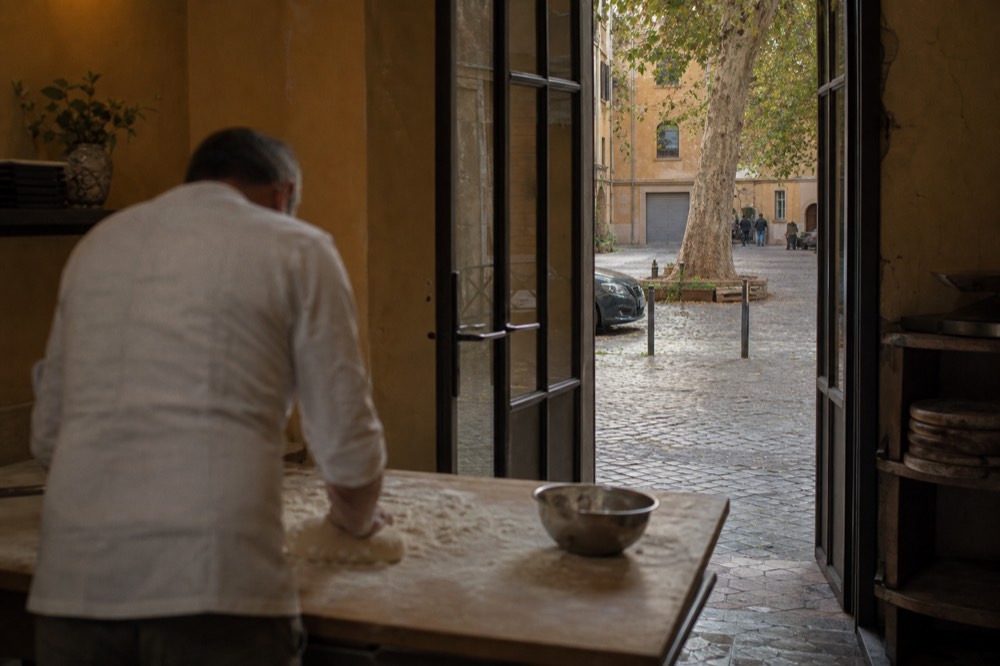
Here are three experiences that capture the range of what's on offer: a hands-on pasta class, a pizza and gelato session, and a VIP golf cart food tour for those who prefer to eat their way across the city.
What you actually learn in a Rome cooking class
A Rome cooking class typically teaches you to make fresh pasta, classic sauces, and a dessert, all while explaining the raw ingredients and the techniques that make Italian food so distinctive. You walk away with printed recipes and, often, a full meal you have prepared yourself.
In a three-hour class, you might start by mixing flour and eggs to form a dough, then roll it out for fettuccine or ravioli, fill it with ricotta and herbs, and shape it by hand. The instructor explains why certain flours work, how long to knead, and the science behind resting the dough. While the pasta dries, you prepare a sauce like a simple tomato and basil, or a richer amatriciana with guanciale and pecorino. Many classes include a dessert element, too, such as tiramisu or gelato. The Fresh Pasta, Wine & Gelato class crams all of that into a single session, pairing the cooking with a glass of wine and a gelato tasting. Check availability
The lessons go beyond recipes. You learn about the olive oil, the difference between pecorino romano and parmigiano, and why Roman cooking relies on simple, high-quality ingredients. The best instructors are generous with tips: how to season pasta water, when to add salt, and how to adjust a sauce's consistency. These are skills that transfer to your home kitchen. A good class will also demystify the ingredients that define Roman cooking. Pecorino Romano PDO, for example, is a sheep's milk cheese produced exclusively in Lazio and Sardinia, and its sharp, salty character is the backbone of cacio e pepe and carbonara. Learning to taste the difference between a young pecorino and a more mature grating wheel is one of those small revelations that transforms how you cook at home.
Many classes also touch on the history of the dishes they teach. Amatriciana Tradizionale, for instance, is protected as a Traditional Speciality Guaranteed by the European Union, and its specification requires guanciale cured for at least 30 days, never pancetta. Instructors often share these details, and they help you understand why Roman cooking tastes the way it does. The recipes you take home are not just lists of steps; they are a shortcut to a tradition that stretches back centuries.
If you're ready to try your hand at pasta making, the Fresh Pasta, Wine & Gelato class is a top-rated choice.
Who gets the most out of a cooking class
A cooking class suits food-curious travelers who want to take home a tangible skill, couples and families looking for a shared activity, and anyone who finds a restaurant meal too passive. It is also a great fit for solo travelers who want to meet people in a relaxed setting.
The hands-on nature of a class makes it ideal for couples celebrating an anniversary or families with older children. Teenagers and adults alike can enjoy the tactile work of shaping dough or assembling tiramisu. Solo travelers often find that a cooking class is less intimidating than a restaurant table for one; the shared task of preparing a meal sparks conversation. And for anyone who loves Italian food but has struggled to replicate it at home, a class demystifies the techniques.
That said, a cooking class is not for everyone. If you have limited time in Rome and want to see as many sights as possible, a half-day class might feel like a trade-off. Similarly, if your idea of a food experience is being served rather than cooking, a food tour or a meal at a trattoria might be more relaxing. The physical demands are worth considering, too. A cooking class requires standing and working for a couple of hours, which can be tiring after a morning of sightseeing. If you or someone in your group has mobility concerns, a seated food tour or a long lunch at a restaurant might be a gentler way to engage with the city's cuisine.
When a food tour might be the smarter choice
A food tour is the better option if you value variety, want to cover more ground, or are traveling with people who would rather eat than cook. It lets you sample multiple dishes across different venues while a guide narrates the neighborhood's history and food culture.
A food tour like those featured on Rome Food Tours packs multiple stops into a single walk. You might start with a supplì in Trastevere, then move to a salumeria for cured meats and cheese, followed by a sit-down pasta tasting, and finish with gelato. In three hours, you can taste a dozen or more items, all while learning about the area's history. The pace is social, and the guide handles the logistics. For a traveler who wants to see the city and eat well without committing to a kitchen, this is a strong alternative.
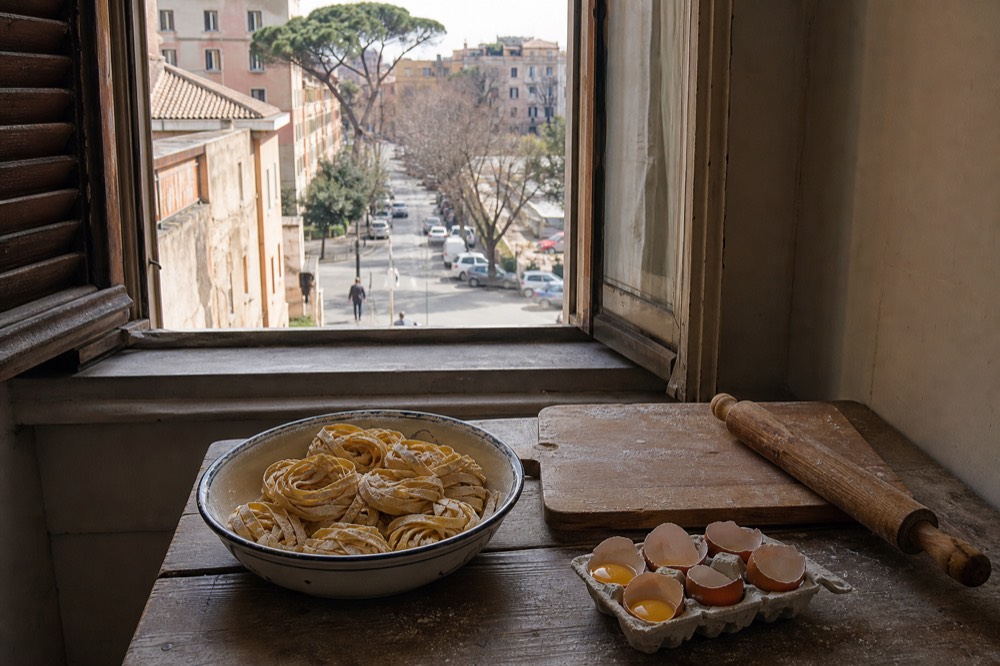
The contrast between a cooking class and a food tour is also a question of energy. A cooking class requires concentration and a willingness to stand and work for a couple of hours. A food tour is more like a relaxed stroll with frequent eating breaks. Both can be done in a morning or evening, but the physical demands are different. If you are jet-lagged or have mobility concerns, a food tour might be the gentler introduction to Rome's food scene. A food tour also covers more ground geographically, which can be a bonus if you want to see a neighborhood like Trastevere or Testaccio while you eat. The Trastevere food tours guide explores the neighborhood's best eating walks in detail, and it is a useful companion piece if you decide a food tour is your preferred format.
How much do cooking classes cost compared to food tours?
Cooking classes in Rome average around $172 per person according to a 2026 analysis of 198 classes, but the price range is wide, from budget-friendly pizza and tiramisu sessions at $34 to luxury four-hour experiences at $147.89. Food tours tend to fall in a similar band, generally between $50 and $150 per person.
The total cost of a cooking class usually includes the lesson, all ingredients, the meal you prepare, and drinks such as wine or limoncello. Some classes also provide a recipe booklet and an apron. The price is often all-in, so there are no hidden charges. The Fresh Pasta, Wine & Gelato class, for example, is priced at $63.87 per person and includes pasta, wine, and gelato. A more lavish option, the Luxury Trastevere food tour at $147.89, includes free-flowing wine and multiple stops. The Pasta Making Class by the Pantheon costs $68.52 and includes a welcome drink, dessert, and limoncello. The Pizza and Tiramisu class starts at $33.68, making it one of the most affordable ways to get hands-on in a Roman kitchen.
To help you compare, here is a simple table:
| Aspect | Cooking Class | Food Tour |
|---|---|---|
| Typical duration | 2.5–3 hours | 3–4 hours |
| Price range | $34–$148 per person (average $172) | $51–$148 per person |
| What you get | Hands-on cooking, full meal, recipes | 5–20 tastings, guided walk, history |
| Group size | Usually 10–15 | Often 10–15 |
| Best for | Learning skills, foodies, families | Sampling variety, history buffs |
The average cooking class price of $172 comes from a survey of 198 Rome classes on the booking platform analysis site Budget Your Trip, while the specific prices listed are from the operator's live listings. The 2026 analysis shows that Rome's average is lower than Florence's $201, making it a slightly more affordable city for a cooking class. If you are choosing between the two cities, we have a detailed comparison at is it better to take a cooking class in Rome or Florence. The UNESCO recognition has already spurred new class openings and interest, and the government's projections suggest demand will continue to rise.
What to expect in a typical Rome cooking class
Most classes are held in a professional kitchen or a converted apartment, last between two and a half and three hours, and are limited to a small group of ten to fifteen people. You'll spend the first part of the session preparing ingredients, then cook under the instructor's guidance, and finally sit down to eat what you have made.
A typical class begins with a brief introduction to the ingredients, often featuring local produce like San Marzano tomatoes, pecorino romano, and fresh basil. The instructor demonstrates each step, and then you work in pairs or at your own station to replicate the technique. The atmosphere is relaxed and convivial; mistakes are expected and laughed off. A cooking class is not a competition, and the goal is to enjoy the process.
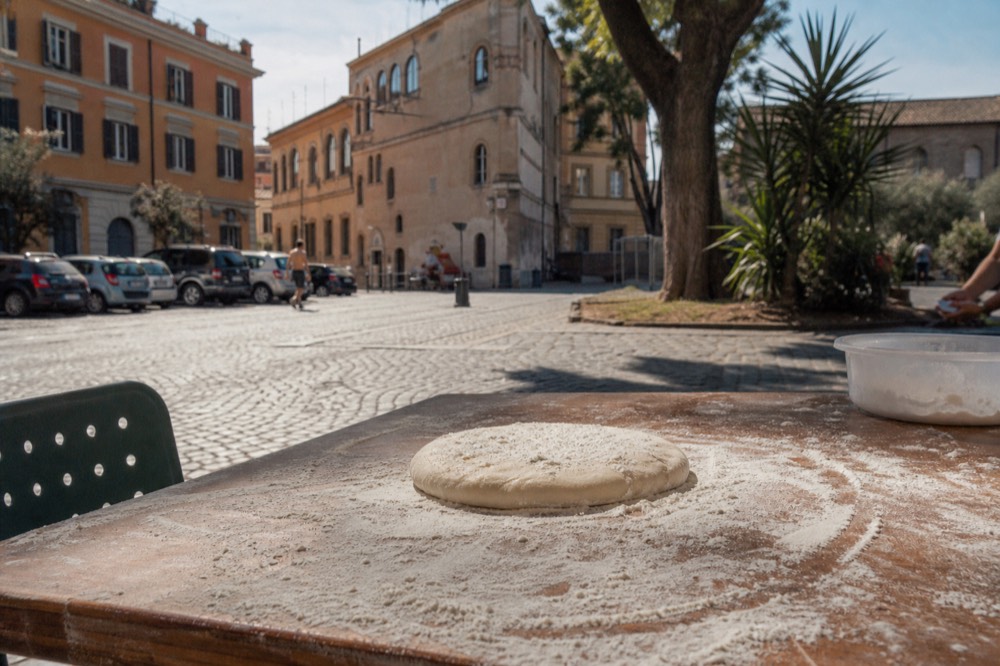
Most classes include a drink, whether it is wine, limoncello, or a soft option. The meal is eaten together at the end, often with a toast. Some classes, like the family-friendly pasta and tiramisu session, are designed to accommodate children, while others are aimed at adults and may be less suitable for young kids. The class size is generally intimate enough that you can ask questions and get individual attention. Free cancellation is common up to 24 hours before the start time, which gives you flexibility if your plans change.
What to wear to a cooking class in Rome
A cooking class is a casual, hands-on activity, and you do not need to dress up. Comfortable clothing, closed-toe shoes, and an apron, which is usually provided, are all you need. Avoid loose sleeves, long jewelry, and anything that could dip into the food.
Kitchens can get warm, especially in the summer months when Rome's temperatures climb. Light, breathable fabrics are a good idea. Many classes take place in air-conditioned indoor spaces, but it is worth checking the listing if you are booking in July or August. Closed-toe shoes are a practical requirement; you will be standing for a couple of hours, and dropped knives or hot pans are a real risk. Most operators provide aprons, so you do not need to bring your own, and your clothes will be protected from flour and sauce splashes.
The dress code is a common question, and we cover it in more detail in our guide on what to wear to a cooking class in Italy. The short answer is that you should dress as you would for a relaxed dinner at a trattoria: presentable but practical. Jeans are fine, and so are sneakers. The focus is on the food, not on fashion, and nobody will be judging your outfit.
Do you tip at a cooking class in Rome?
Tipping at a cooking class in Rome is not expected in the same way it is in a restaurant, but it is appreciated if the instructor has gone above and beyond. A small cash tip of 5 to 10 euros per person is a generous gesture, though entirely optional.
In Italy, tipping culture is more subdued than in North America. Service charges are often included, and workers are paid a living wage. At a cooking class, the fee you paid covers the instructor's time, the ingredients, and the facilities. A tip is not required, and you will not be judged for leaving none. However, if the instructor was particularly engaging, shared extra recipes, or helped you with a technique you struggled with, a small tip is a kind way to say thank you. We have a full breakdown of the etiquette at do you tip at a cooking class, including how it compares to tipping on food tours and in restaurants.
Our recommended cooking classes in Rome
Two classes stand out for their combination of quality, value, and hands-on content. The Fresh Pasta, Wine & Gelato class is a versatile three-hour session that covers pasta, sauce, and dessert, while the Pasta Making Class by the Pantheon offers a central location and a full meal with wine and limoncello.
The Fresh Pasta, Wine & Gelato class is taught by Walks of Italy, an operator with a 4.9 rating from 928 reviews. In three hours, you make fresh pasta from scratch, prepare a sauce, enjoy a glass of wine, and finish with a gelato tasting. The class is held in locations that vary depending on the option booked, so you should check the meeting point on the listing. The price is $63.87 per person, and the session is capped at a small group.
The Pasta Making Class by the Pantheon, operated by Pastamania, is another top-rated option with a 4.9 rating from 3,493 reviews. The three-hour class is held in a cooking school near the Pantheon, and includes a welcome drink, pasta making, dessert, and limoncello. At $68.52 per person, it is a solid mid-range choice. The school's location on Via della Gatta is easy to reach, and the small-group setting means you get plenty of one-on-one time with the instructor.
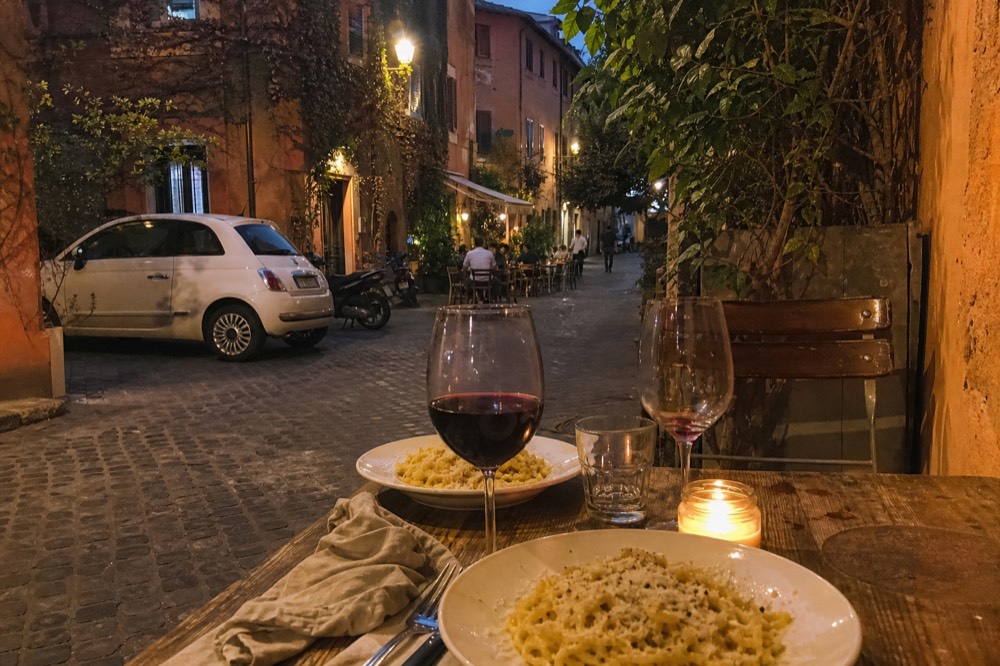
If you're still weighing the choice between a cooking class and a food tour, here are three experiences that illustrate the contrast:
Common questions about cooking classes in Rome
Should I take a cooking class in Rome?
If you enjoy hands-on learning, want to bring a skill home, and have a morning or afternoon to spare, a cooking class is a rewarding use of time. It works especially well for couples, families, and solo travelers. If you prefer to sample many dishes in a short time, a food tour might be a better fit.
What's the difference between a cooking class and a food tour?
A cooking class is a hands-on session where you prepare a meal under the guidance of an instructor. A food tour is a guided walk that stops at several venues for tastings. Classes typically last 2.5 to 3 hours and cost $34 to $148; food tours run 3 to 4 hours and cost $51 to $148 on average.
Do I need any cooking experience to take a class in Rome?
No. Most classes are designed for beginners and assume no prior knowledge. The instructor demonstrates each step, and the pace is relaxed. The goal is to have fun and learn, not to produce a restaurant-quality dish.
How long do cooking classes last?
Most Rome cooking classes last between 2.5 and 3 hours. Some multi-course or market-to-table classes can run up to 4 hours. The Fresh Pasta, Wine & Gelato class is 3 hours, while the Pizza and Tiramisu class is 2.5 to 3 hours depending on the option.
Are cooking classes suitable for children?
Several Rome cooking classes are family-friendly and welcome children. The family pasta and tiramisu class is specifically designed for families, and the pizza and gelato class is also a good option for kids. Always check the operator's age policy before booking.
Can I find gluten-free cooking classes?
Yes, there are gluten-free options. The Vegan Street Food Tour is a related format, but for cooking classes, you can find dedicated gluten-free pasta or pizza-making sessions. Rome's gluten-free scene is well-developed, and many operators can accommodate dietary needs if you notify them in advance.